
What is pu-erh tea?
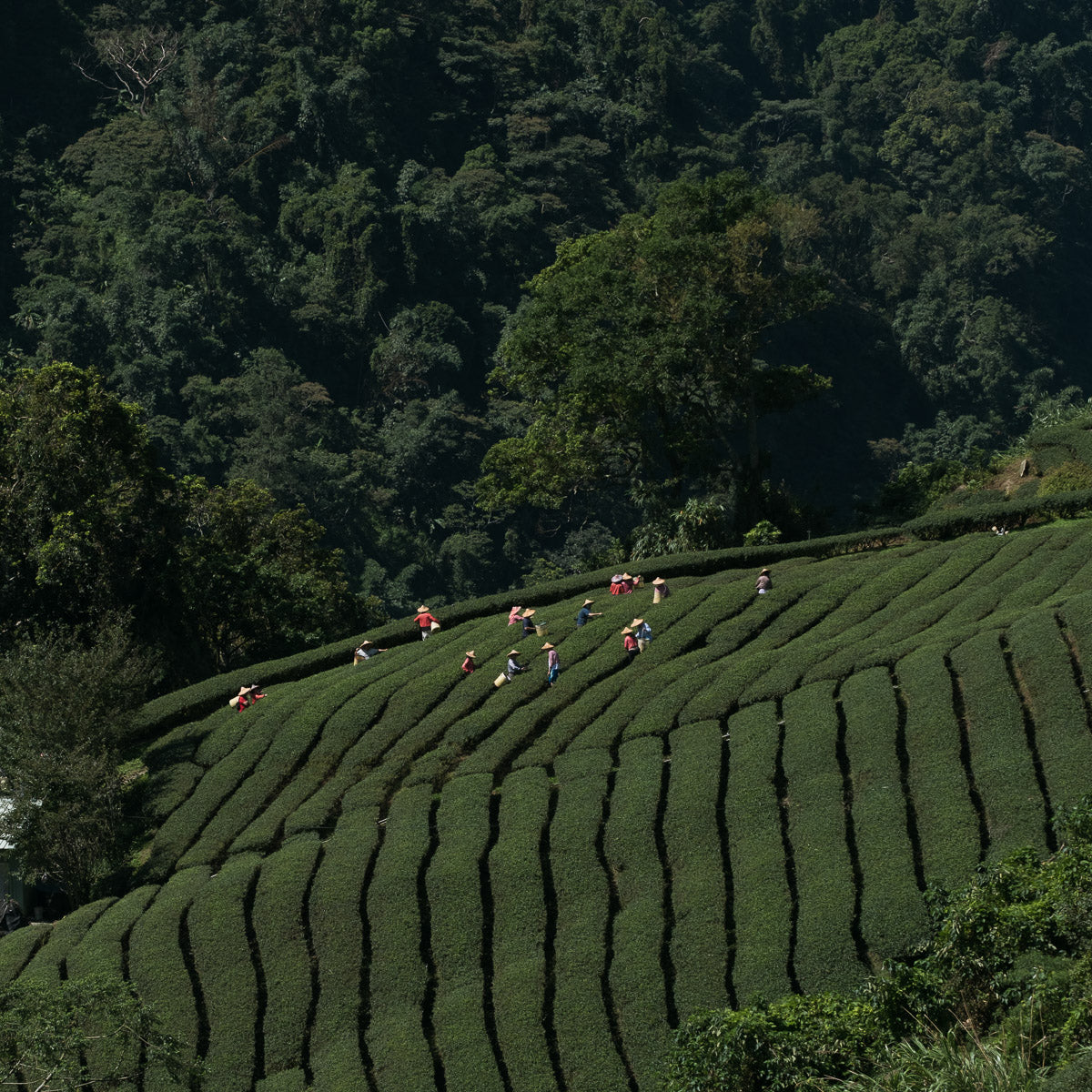
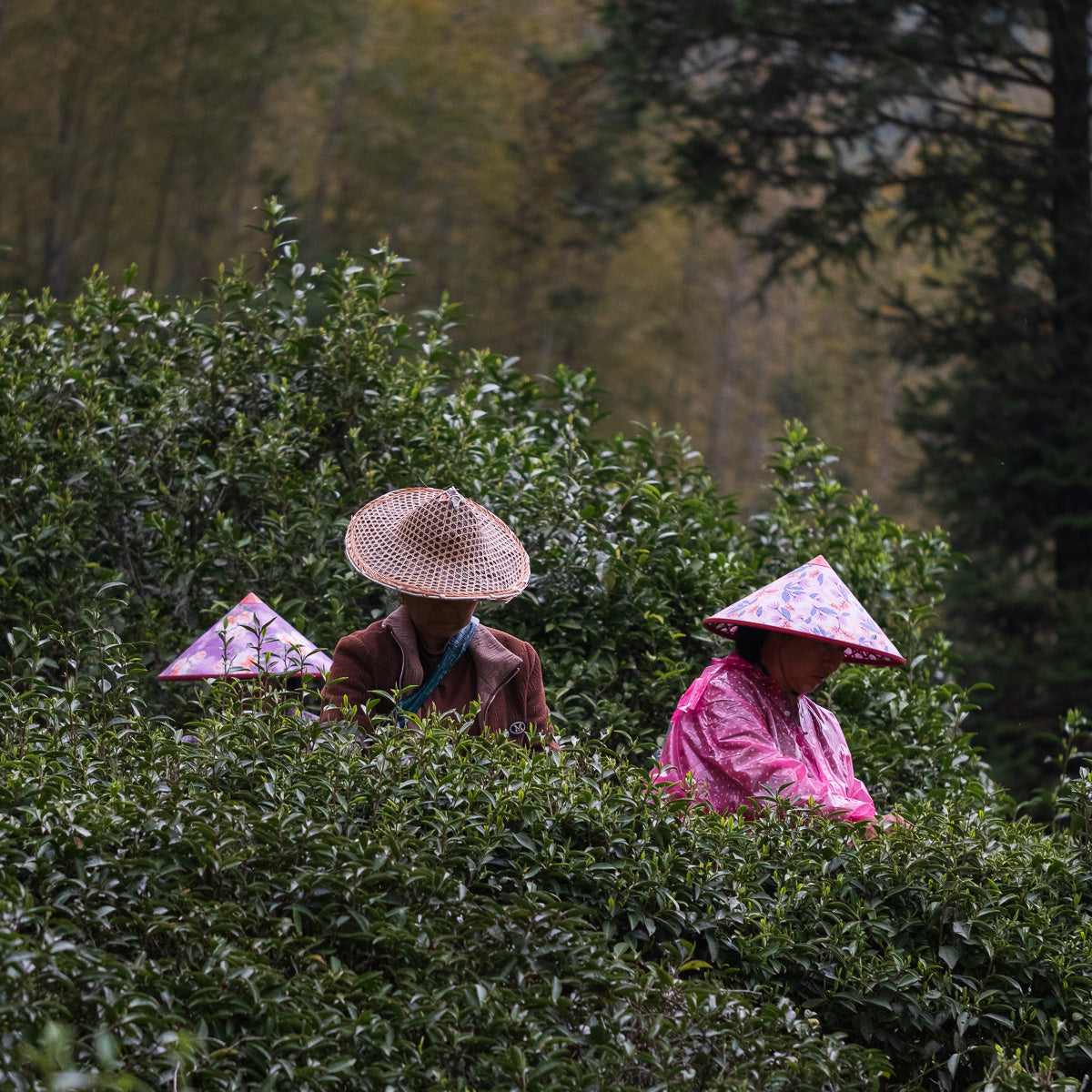
Pu-erh tea, also known as red tea in the West, belongs to the family of aged teas and is made from the Camellia sinensis var. Assamica variety, known in China as Da Ye Zhong (大叶种), meaning "large-leafed." These plants, as they grow, can become large and robust trees, with the oldest, called "Gushu," being the most prized for their deep flavor and high quality.
It originates from the city of Pu-erh in Yunnan province , in southwest China, a region that shares borders with Myanmar, Vietnam, and Laos. Pu-erh tea has a rich cultural, historical, and philosophical heritage.
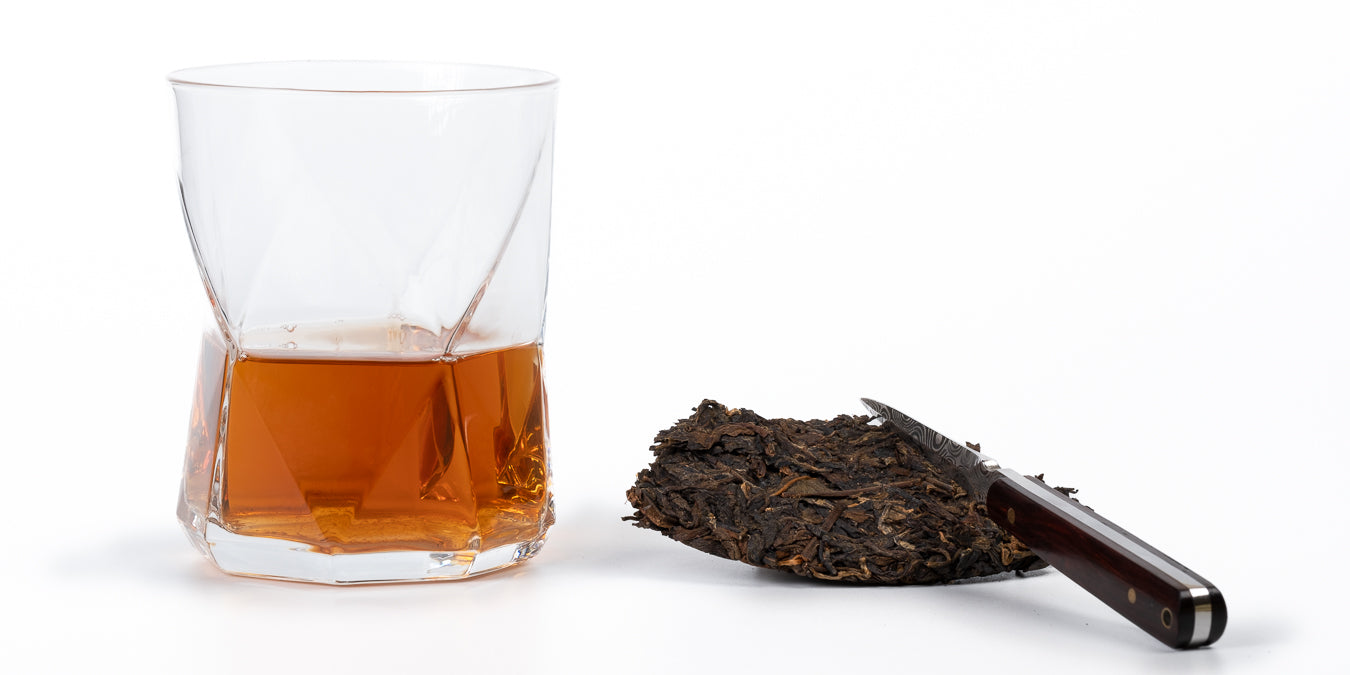
It is a post-fermented tea, which makes it a "living tea," as its fermentation process continues long after it has been processed. It changes color from green to yellow to orange and then to dark, improving its characteristics as it ages. It is most commonly presented in the form of a disc.
Pu-erh tea is divided into two subcategories: raw tea, "Sheng cha," which is naturally aged, and mature tea, "Shu cha," which undergoes an accelerated fermentation process. Besides being a powerful stimulant for the senses and mind, it is absolutely delicious. If you're interested, you're sure to find one in our collection .
Origin of pu-erh tea
Years ago, pu-erh tea was virtually unknown and consumed mainly by local farmers. It was seen as a simple, inexpensive product, perfect for export. Large quantities were shipped to various regions of China, Tibet, and Mongolia. Due to the high demand for this tea and the fact that it was transported by horse, a processing method was invented that involved compressing the tea into discs to make it easier to transport and store.
It was in these warm, humid climates that they discovered something interesting: when tea was stored for several years, it changed radically. What was initially green tea eventually became a dark, dense beverage.
The growing popularity of this dark tea led a factory in Yunnan to develop a fermentation method. They piled the tea into stacks to achieve the desired level of humidity. This process accelerated what natural aging accomplished over years, allowing them to meet the demand of dark tea enthusiasts.
When pu-erh tea aficionados reached the remote areas of Yunnan in search of more tea, they found tea stored in drier conditions that had a softer color: shades of orange, red, or brown, far from the black they expected.
This type of tea offered a completely different flavor, sweeter and more complex. Intrigued, they began to revive traditional production techniques, predating the arrival of large factories, and explore the forests of Yunnan, where tea trees had grown for decades or even centuries with little human intervention. In recent years, pu-erh tea has gone from being unknown to becoming a highly prized tea with a significant increase in price and recognition.
What are the main types of pu-erh tea?
There are two main types of pu-erh tea: the raw one called "Sheng" and the mature one called "Shu".
Raw pu-erh tea "Sheng cha"
Raw pu-erh tea, called "Sheng" (生茶) , can be either "young" or "aged." Young tea is between 1 and 10 years old, while aged tea is aged for 10 years or more. Initially, raw pu-erh tea is characterized by its bitter undertones, which evolve into a sweet aftertaste. At its best, young tea is a balance of bitterness, sweetness, complexity, and freshness. Aged tea, on the other hand, can take many forms, but it generally tends to become smoother, sweeter, darker, and more complex.
The aging process of raw pu-erh tea depends on storage conditions. Temperature and humidity play a crucial role, affecting both the speed and outcome of aging.
Pu-erh tea enthusiasts and sellers often collect this tea to age it, as its characteristics improve with time. Just like with wine, the price of pu-erh tea increases the longer it has aged.
Mature pu-erh tea "Shu cha"
Mature pu-erh tea called "Shu" (熟茶) is created by fermenting loose, raw tea leaves using a technique that accelerates the aging process to mimic the long aging of raw pu-erh. It undergoes a rapid fermentation of 45 to 60 days to speed up the aging process. It is intended for immediate consumption and, unlike Sheng, does not improve with long-term storage. While this process makes the tea much darker and smoother quickly, it doesn't fully replicate the complexity of a matured raw pu-erh tea. This fermentation process gives the tea a dark hue, a more defined flavor, and completely eliminates any trace of bitterness.
Mature pu-erh tea is characterized by its earthy flavors, woody touches and notes of leather and chocolate, presenting a dense body with a smooth and pleasant texture.