
Pu-erh tea
Buy quality Pu-erh tea. This type of tea is characterized by its ability to evolve over time. There are two styles: Pu-erh Sheng, which matures naturally over the years and whose flavor changes from brighter to deeper notes; and Pu-erh Shu, which undergoes controlled microbial fermentation, giving it a denser, earthier character from the start.
Pu-erh tea collection
3 products
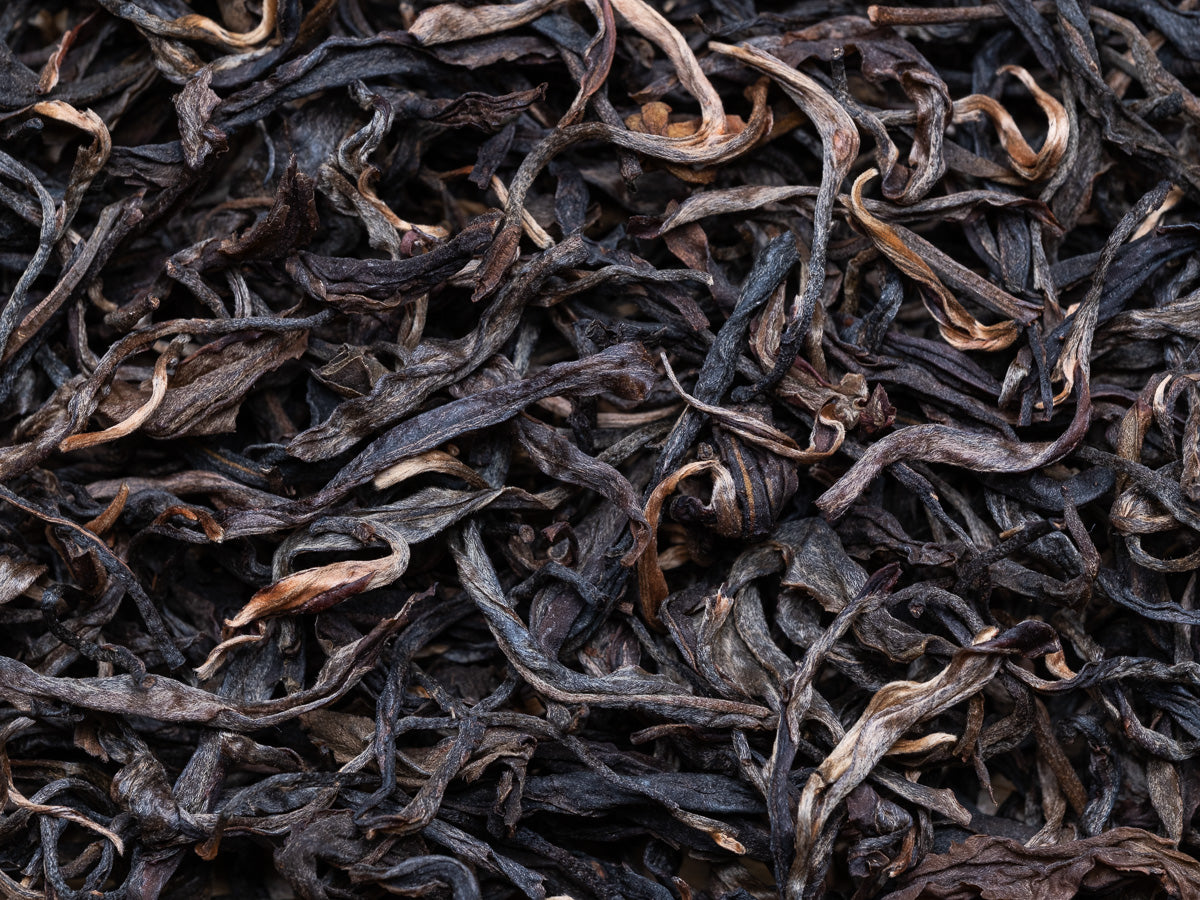
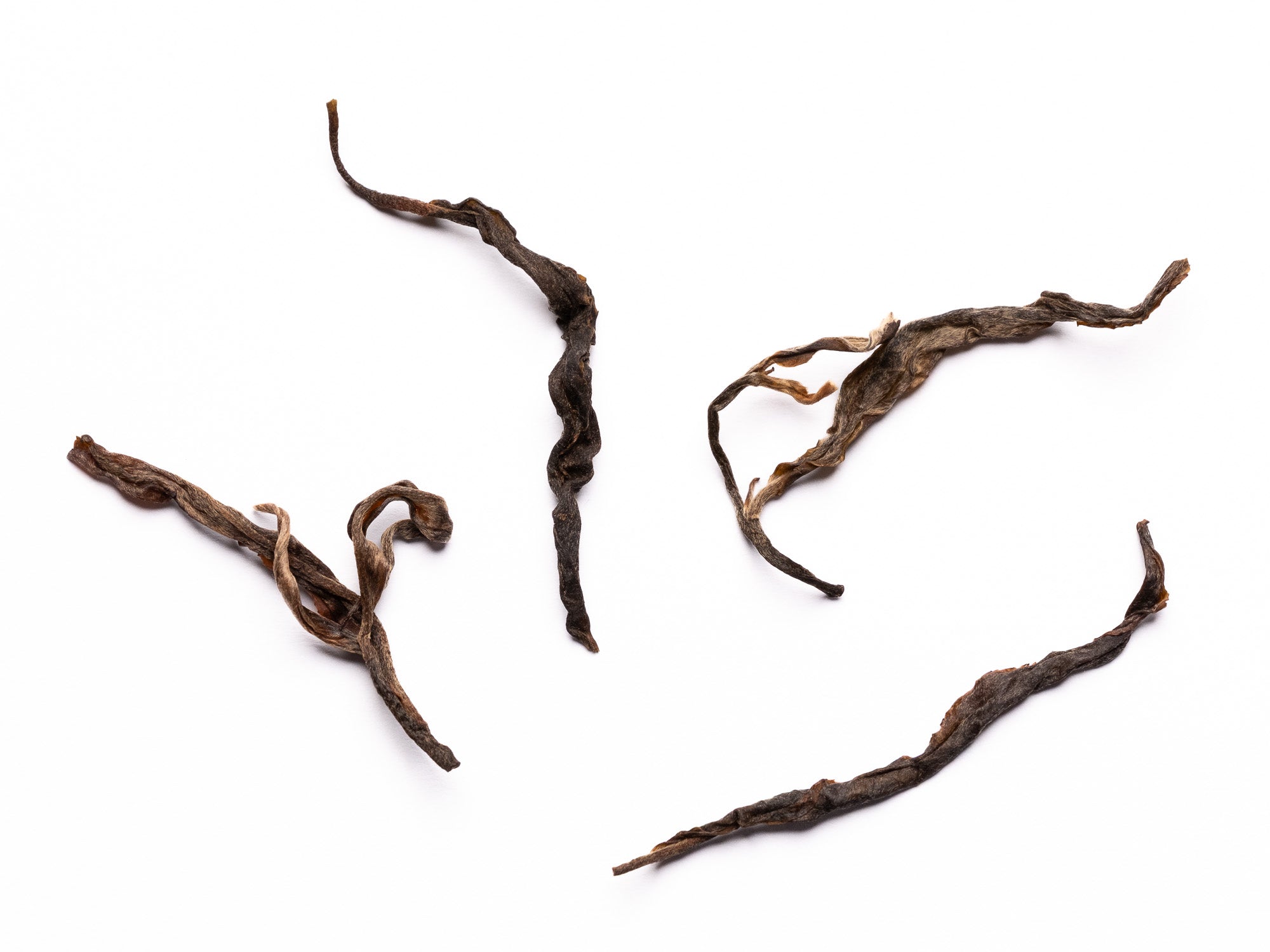
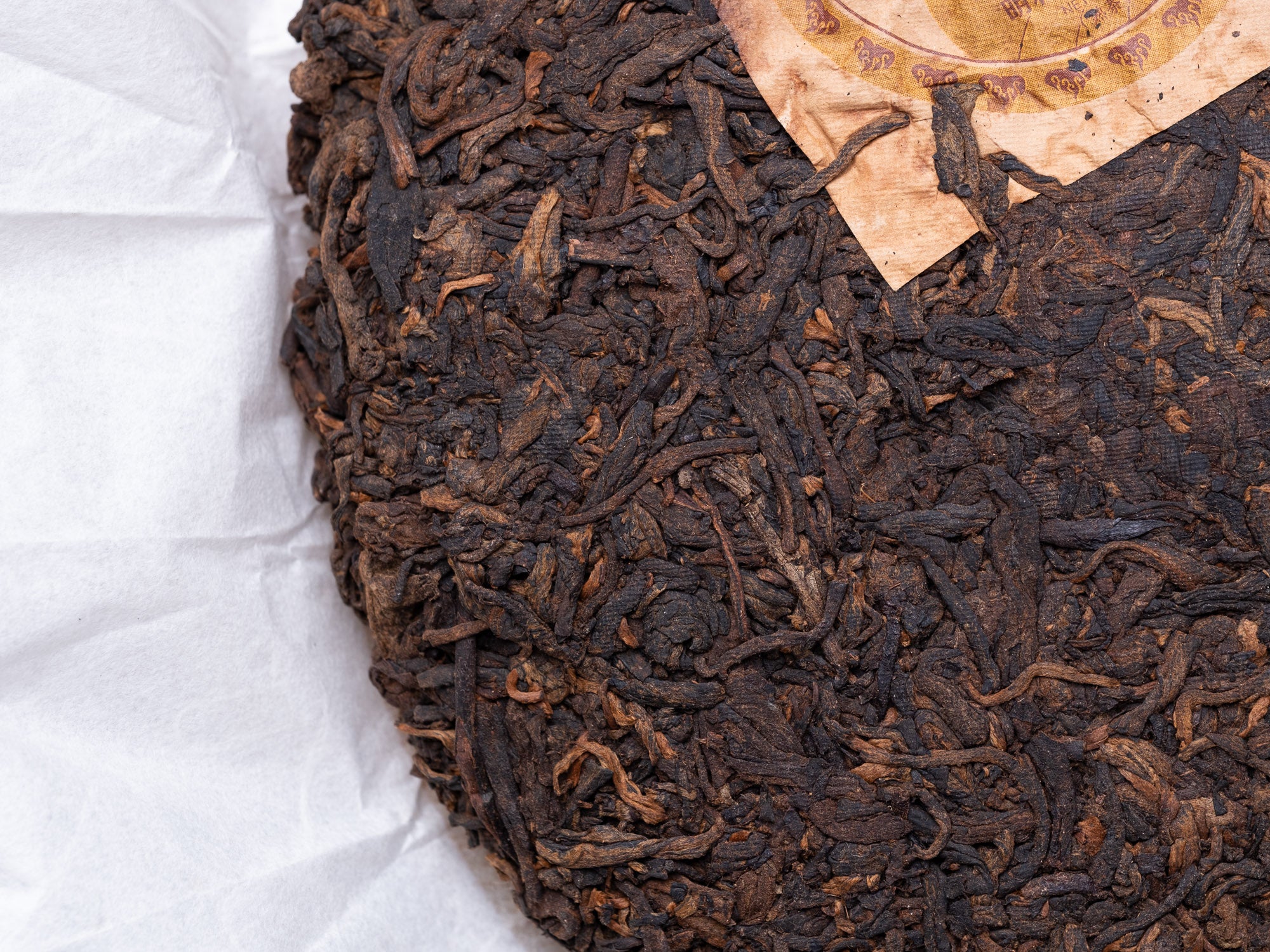
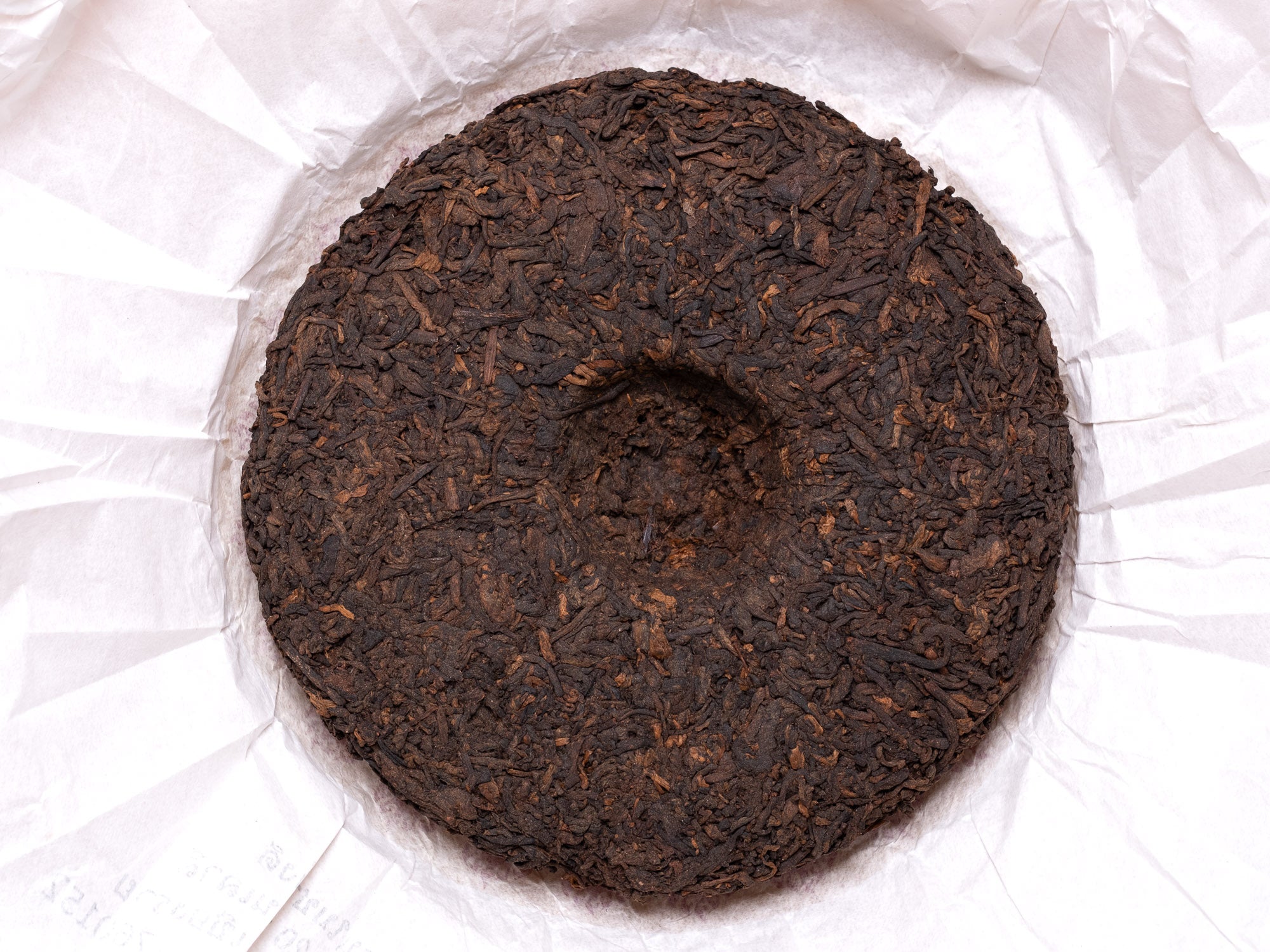
Your questions, answered
What is pu-erh tea or “red tea”?
What is pu-erh tea or “red tea”?
Pu-erh tea is a type of tea that originated in Yunnan province, in southwest China. Here in the West, it's often mistakenly called "red tea" due to translation errors. It's one of the tea styles, along with oolong, green, black, and others. It's made from the Camellia sinensis var. Assamica variety and processed in a way that allows its flavor to change significantly with natural or intentional aging. To get down to specifics, there are two main types of pu-erh tea: raw (called "Sheng") and mature (called "Shu").
How many types of pu-erh tea are there?
How many types of pu-erh tea are there?
There are two main types of pu-erh tea: raw (called "Sheng cha") and mature (called "Shu cha") .
Raw pu-erh tea (Sheng cha) can be either "young" or "aged." Young tea is between 1 and 10 years old, while aged tea is over 10 years old. Young tea, at its best, is a balance of bitterness, sweetness, complexity, and freshness. On the other hand, aged tea tends to become milder, sweeter, darker, and more complex.
The aging process of raw pu-erh tea depends on storage conditions, where temperature and humidity play a crucial role, affecting the speed and outcome of aging.
Mature pu-erh tea (Shu cha) is created by fermenting loose, raw tea leaves using a technique that accelerates the aging process to mimic the long aging of raw pu-erh. While this process makes the tea much darker and smoother quickly, it doesn't fully replicate the complexity of an aged raw pu-erh tea.
Mature pu-erh tea is characterized by earthy flavors, woody touches and notes of leather and chocolate, presenting a dense body with a smooth and pleasant texture.
In what form is pu-erh tea presented?
In what form is pu-erh tea presented?
Although pu-erh tea, whether raw or mature, has quite a few differences from other teas, what usually attracts the most attention is its form of presentation.
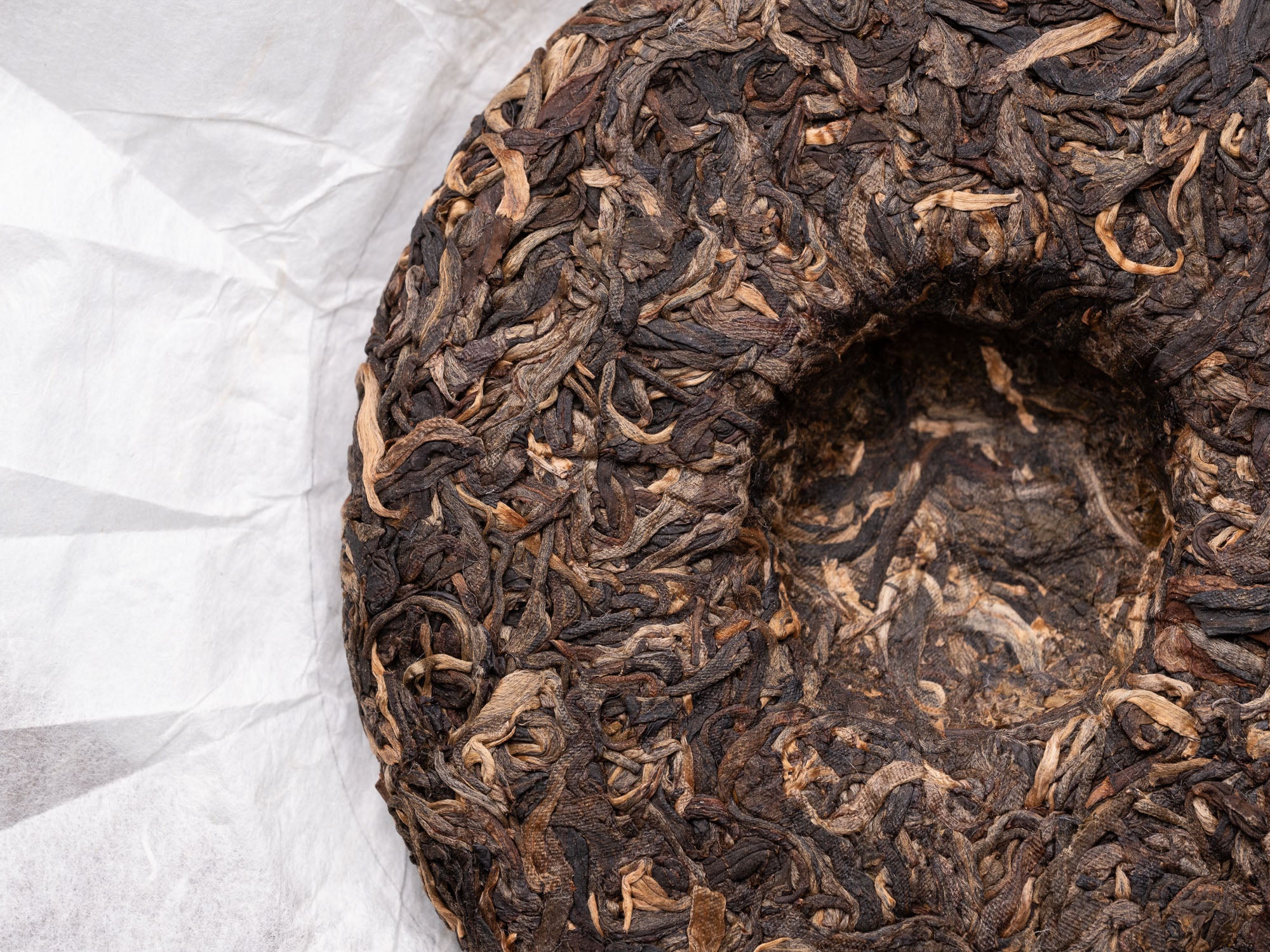
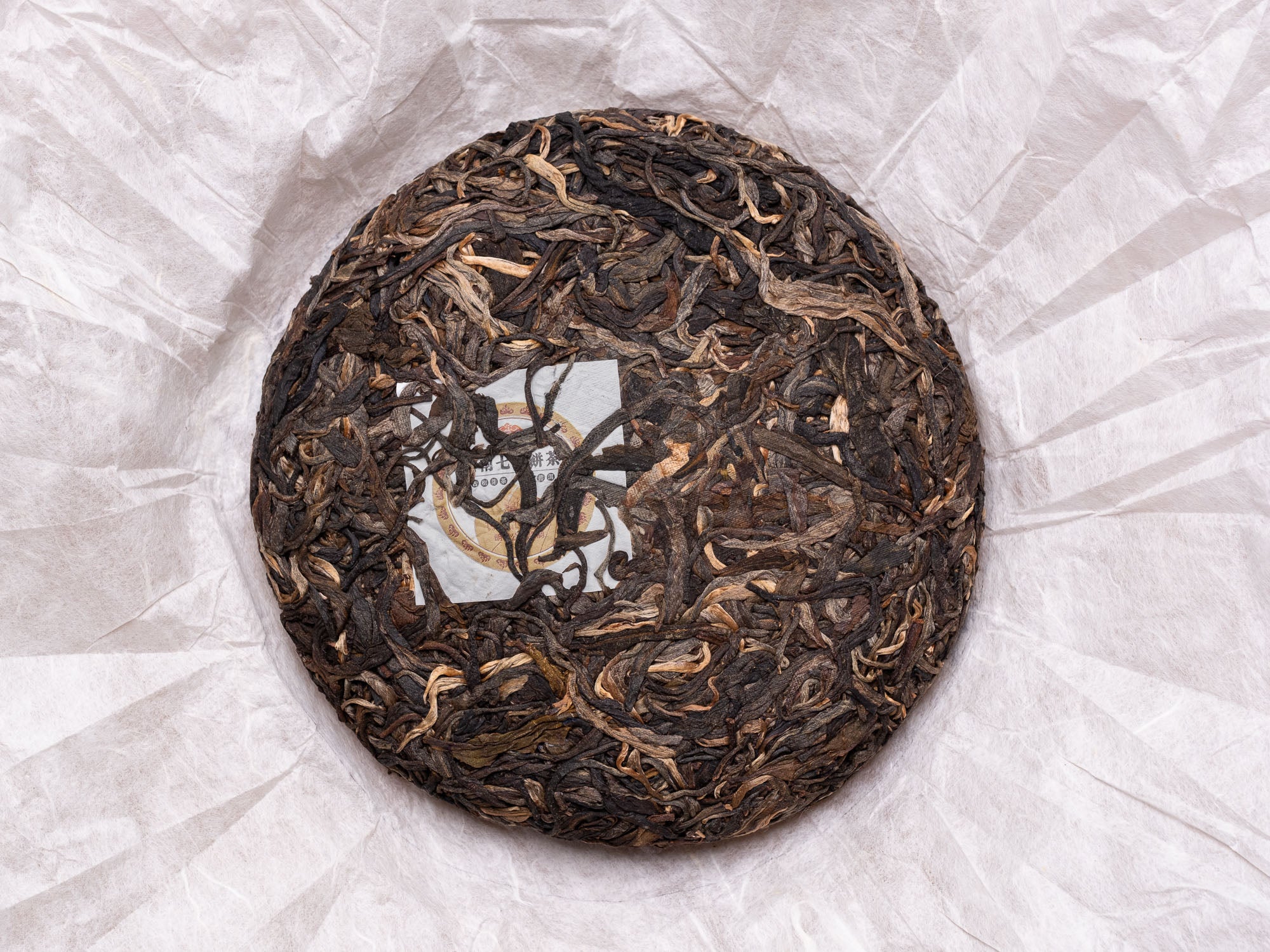
Both varieties of pu-erh tea are frequently pressed and presented in the form of cakes, blocks, and balls. This practice facilitates storage and identification and benefits the aging process. It can also be purchased as loose leaves, like other teas.
What are the benefits and properties of pu-erh tea?
What are the benefits and properties of pu-erh tea?
Pu-erh tea not only offers its distinctive flavors and aromas, but it's also a good source of health benefits. These range from aiding weight loss and digestion to supporting cardiovascular health and lowering cholesterol. Incidentally, pu-erh tea has a long history of use in traditional Chinese medicine for treating metabolic disorders. Regarding caffeine, keep in mind that as pu-erh tea ages, its caffeine content decreases.