
What is white tea?
White tea Bai Cha (白茶) does not come from a different plant or a special species. It is made from the same Camellia sinensis plant as green, black, oolong, yellow, and even pu-erh tea. What differentiates it is the processing method, that is, how the leaves are processed after harvesting. It is one of the types of tea with the least intervention in its production.
Unlike more common teas, such as black, green, or even pu-erh, white tea remains a rarity in many parts of the world. However, in recent years, its popularity has steadily grown thanks to a greater understanding of its characteristics and properties, both fresh and aged.
The art of white tea: a simple yet surprising process
White tea is produced in three steps: harvesting, withering, and drying. Although the process may seem simple, it all begins with the most important element: the quality of the leaves. Without good material, there is no good tea. From there, the skill of the tea master comes into play. Experience and knowledge are required, along with precise control of the climate, humidity, and time. A small mistake can completely change the tea's profile, while careful execution brings out the best characteristics of the leaf and its terroir.
As in any craft, the details make all the difference. And in the preparation of white tea, those details matter a great deal.
It is interesting that, unlike green teas, where the mandatory step is Sha Qing ( The process of " killing the green," which is done to stop oxidation, is not performed on white tea. White teas can continue to mature after drying, allowing the leaves to continue oxidizing naturally. Because this process is not uniform, the leaves display shades ranging from green to brown, and their aromatic and flavor profile also changes: over time, it becomes more complex, deeper, and more interesting.
Making white tea
Harvest
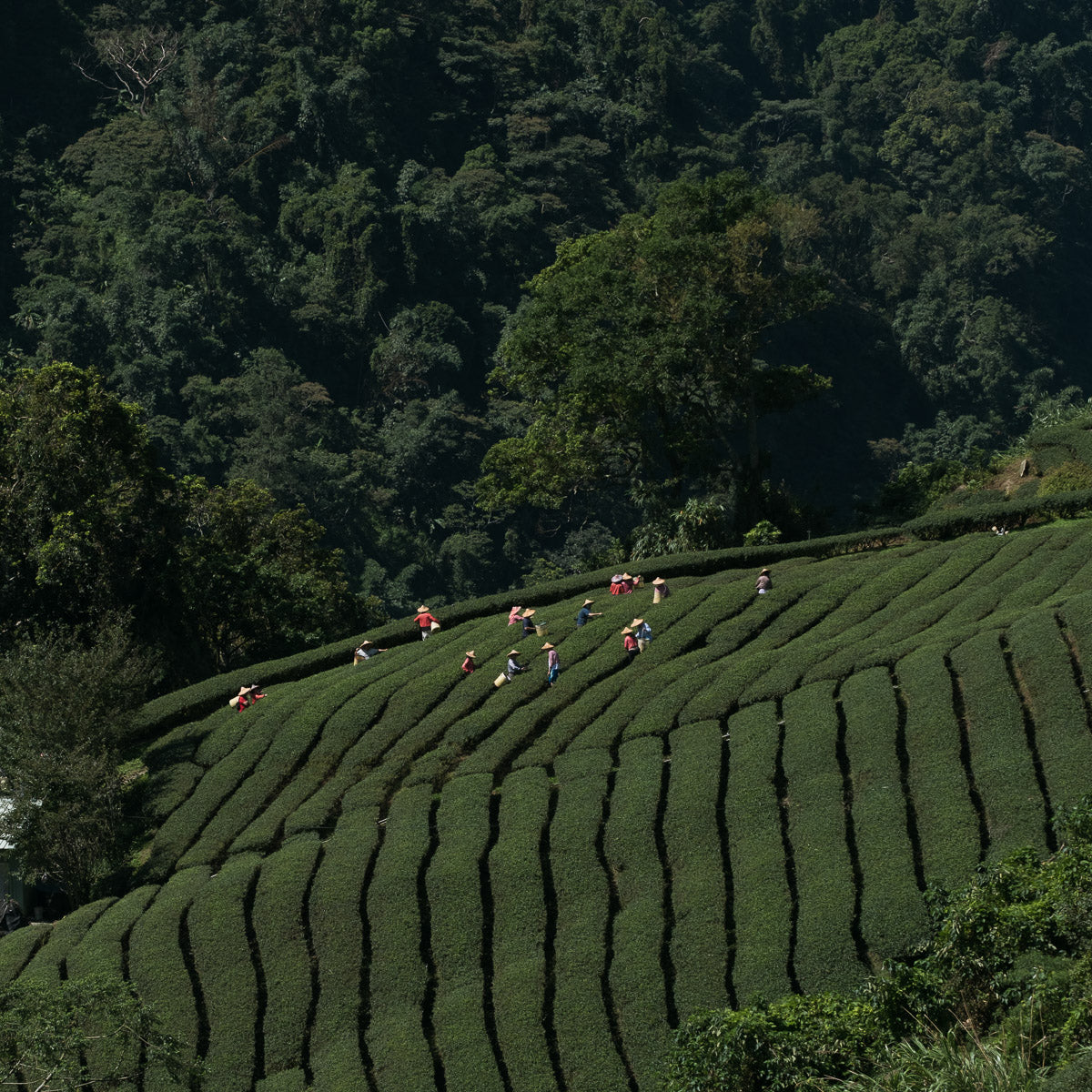
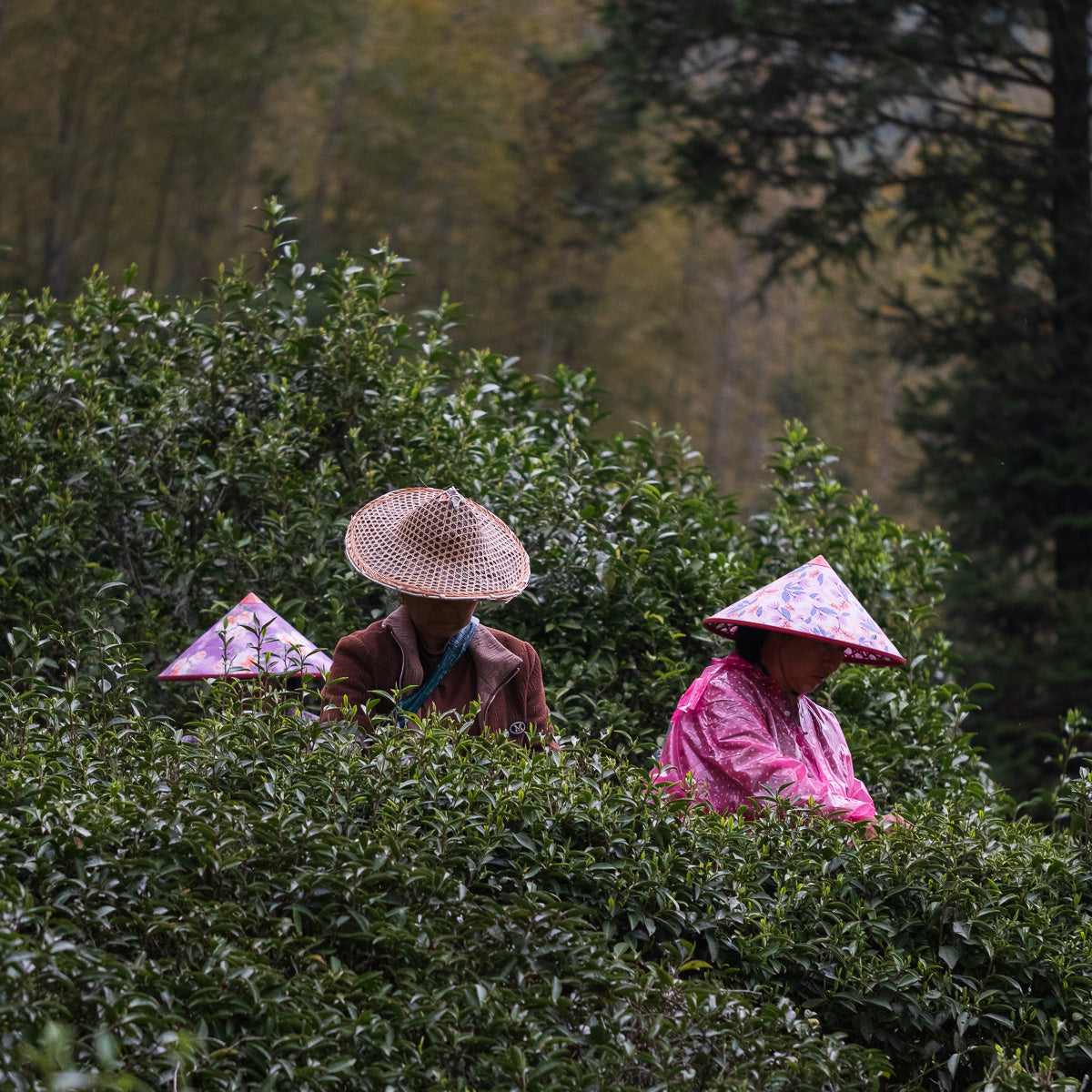
The first step is harvesting the tea leaves. In grades known as Bai Hao Yinzhen, only the bud is harvested, while in Bai Mudan, the bud is harvested along with one or two upper leaves. In China, the harvest takes place between March and June. In other producing countries, such as Thailand, it occurs between October and November. The most prized leaves are picked at the beginning of the season.
Withered
After harvesting, the leaves are placed on bamboo trays in a warm, slightly humid, and shaded location for about 72 hours. During this time, the water evaporates slowly and the leaves begin to oxidize naturally. Sometimes they are briefly exposed to sunlight to enhance certain flavor notes, but care must be taken to prevent them from drying out too quickly or burning.
Drying
Once withered, the leaves are dried with heat. Traditionally, they are spread out on a bamboo drum placed over a hot charcoal stove. The tea master must adjust the temperature and move the leaves so that the heat is distributed evenly. It is a process that requires precision, as any mistake can affect the final result.
Classification
The leaves are checked by hand and those that are not in good condition are removed: too thick, yellowed or that do not meet the desired quality.
What does white tea taste like?
Delicate, light, and sweet. That's how we could summarize white tea. Although its profile varies depending on the region and the harvest. Three main groups of aromas and notes usually stand out: green (herbaceous and hay-like), floral and waxy, and woody, with hints of bread, nuts, stone fruit, and cocoa.
Its flavor comes from the use of minimally processed young leaves. The balance between these notes will always depend on the water temperature and the amount of tea used. Depending on how you prepare it, some notes will be more prominent than others.
How does white tea evolve over time?
White tea does not undergo an intense heat process, which means its enzymes remain active after drying. Thanks to this, the tea continues to evolve over time, slowly transforming its aromatic and flavor profile.
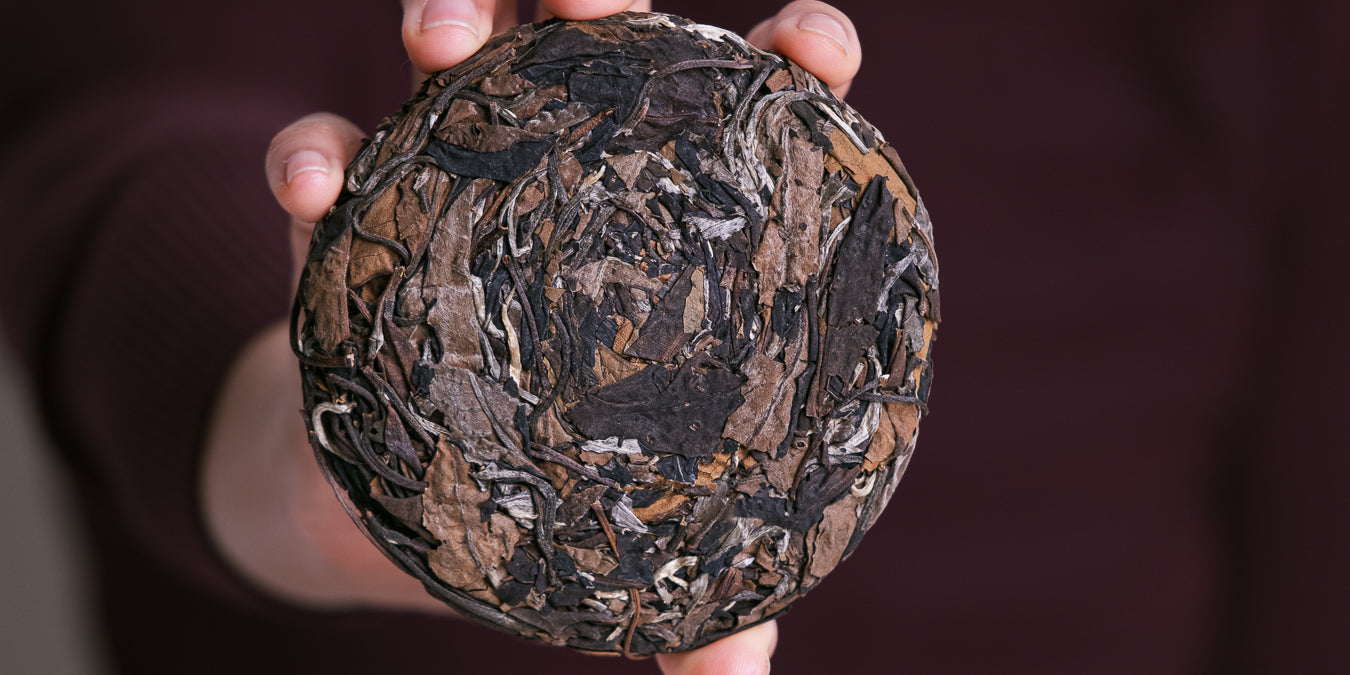
Over the years, its flavors become more intense and fruity, its texture juicier, and its aromas more complex. This concept isn't as developed as with aged pu-erh, but more and more people are appreciating aged white tea. The myth that it should only be consumed fresh has been debunked.
- Less than 5 years: Fresh and floral flavors.
- 5-10 years: Deeper aromas, with fruity and honey notes.
-
10+ years: Dark tones, wood, sweet and juicy texture.
What are the benefits of white tea?
This is where the fame of white tea begins. By undergoing minimal processing, it remains closer to its natural state, and is therefore considered healthier.
We're not doctors or biochemists, so we'll leave this topic to the experts. However, several studies suggest that white tea helps with high blood pressure, cholesterol, glucose, and aging.
How to prepare white tea correctly?
We recommend using water between 80°C and 95°C, especially for young white teas. However, when it comes to aged white teas, we recommend preparing them with hotter water, between 95°C and 99°C.
For Gongfu cha style brewing, use 5 grams of tea per 100 ml of water, with a quick infusion of 5 to 10 seconds, adding 5 seconds to each subsequent infusion. A good white tea can yield up to 8 infusions. For Western style brewing, use 1 gram of tea per 100 ml of water, with a 2-minute infusion, increasing by 30 seconds to each subsequent infusion, for a maximum of about 3 repetitions.
As for the container, anything except porous clay. We recommend porcelain, ceramic, or glass. We generally use a porcelain gaiwan.