
White Tea
White tea is light, sweet, and minimally processed. Its depth captivates from the first sip. It combines floral, fruity, herbaceous, and woody notes with a delicate texture and an unparalleled freshness. Over time, good white teas develop sweeter and more complex nuances. With so little intervention, there's no room for error: only the finest cultivars achieve that perfect balance between sweetness and complexity.
White tea collection
1 product

Your questions, answered
How is white tea made?
How is white tea made?
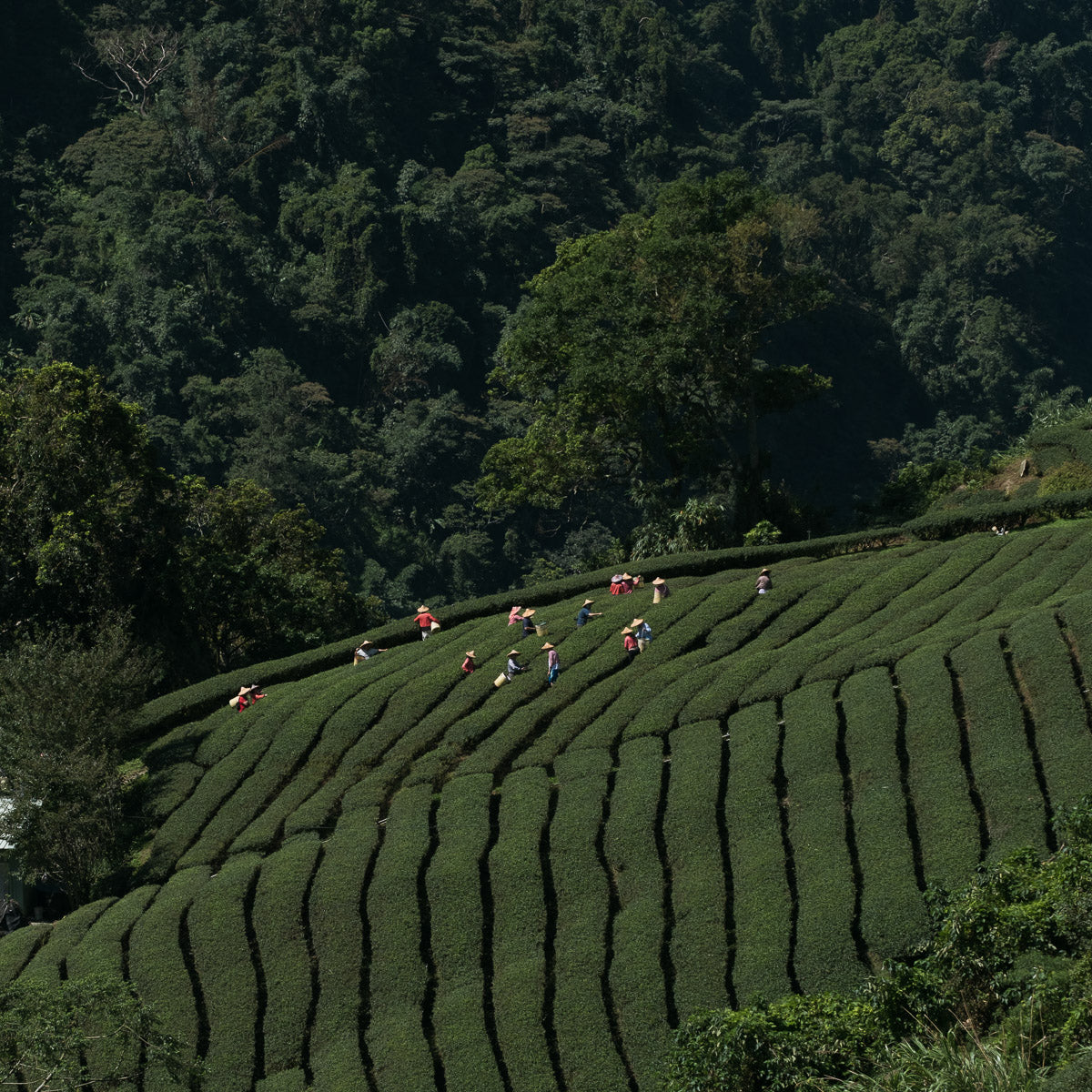
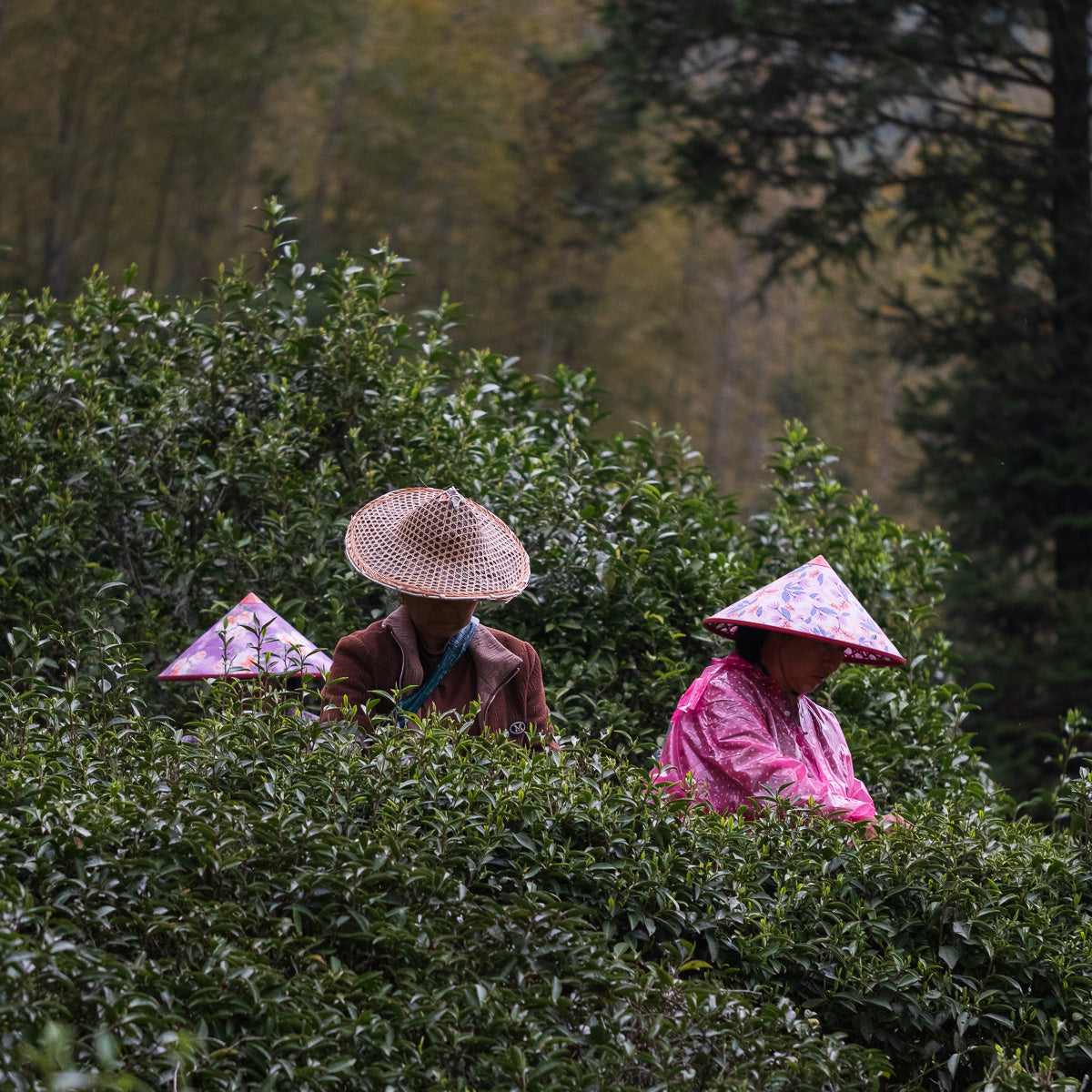
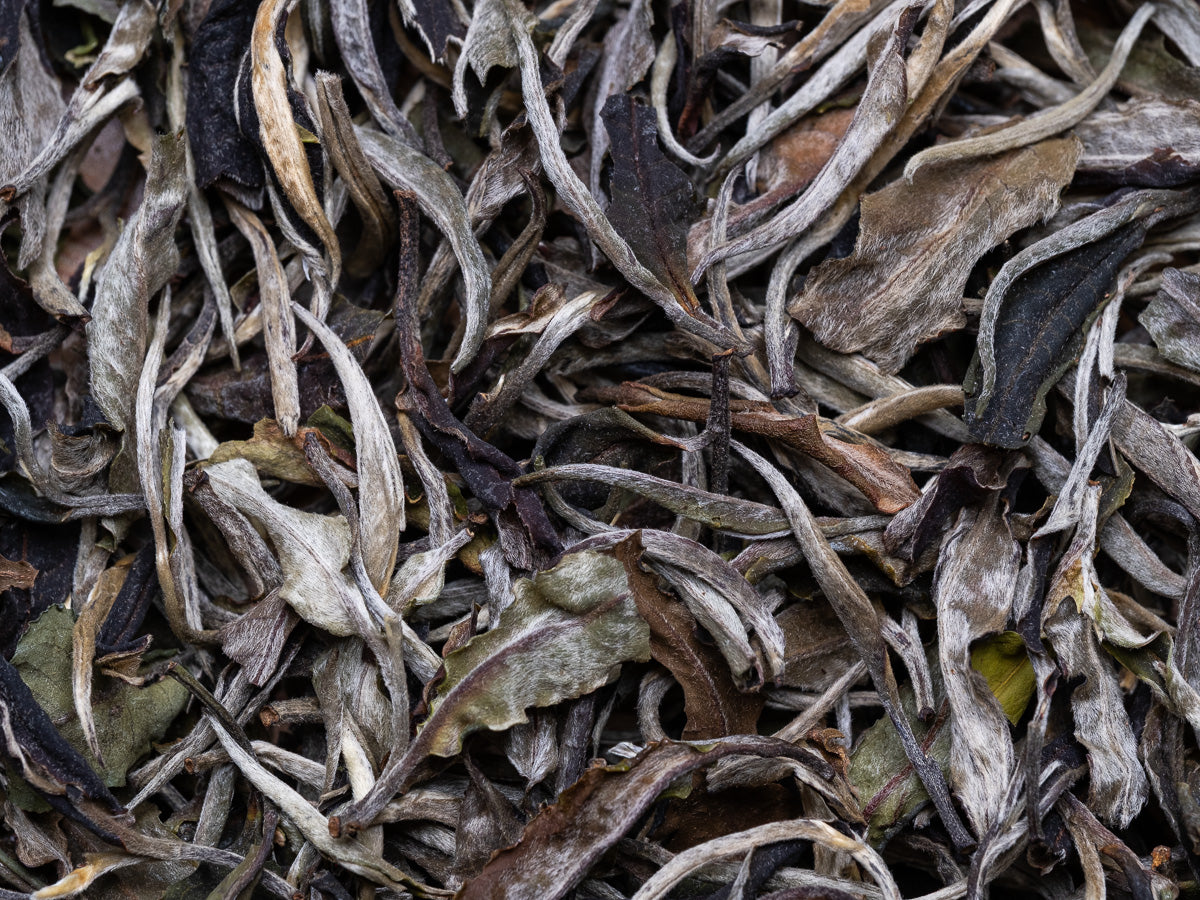
White tea is made in three steps : harvesting, withering, and drying. In the first step, the harvesting method depends on the quality of the tea. In some cases, only the bud is picked, while in others, up to two top leaves are included. The leaves are then withered on bamboo trays for about 72 hours, allowing the water in the leaves to evaporate gradually as they begin to oxidize naturally. Afterward, they are heat-dried and finally sorted, with lower-quality leaves removed to ensure the tea's quality.
What varieties of white tea are there?
What varieties of white tea are there?
The main varieties of white tea are Baihao Yinzhen, Bai Mudan, Gong Mei, and Shou Mei. Each is characterized by different harvesting levels. There are other, less common varieties or varieties from other countries.
What are the properties of white tea?
What are the properties of white tea?
We're not doctors, so we'll leave that to the experts. However, several studies suggest that white tea is high in antioxidants and may help lower high blood pressure, cholesterol, and glucose levels, as well as combat aging, reduce the risk of heart disease, and aid in weight loss.
At what temperature should white tea be prepared?
At what temperature should white tea be prepared?
We recommend using water between 80°C and 95°C, especially for young white teas. However, when it comes to aged white teas, we recommend preparing them with hotter water, between 95°C and 99°C.