
Black Tea
Buy single-origin loose-leaf black teas from our online shop. We offer high-quality teas suitable for Western or Gongfu brewing. Some showcase roasted, sweet, or smoky notes; others reveal floral, fruity, or spicy profiles. Our selection spans multiple harvests and regions, letting you explore and choose the black teas that suit your taste.
Black tea collection
6 products
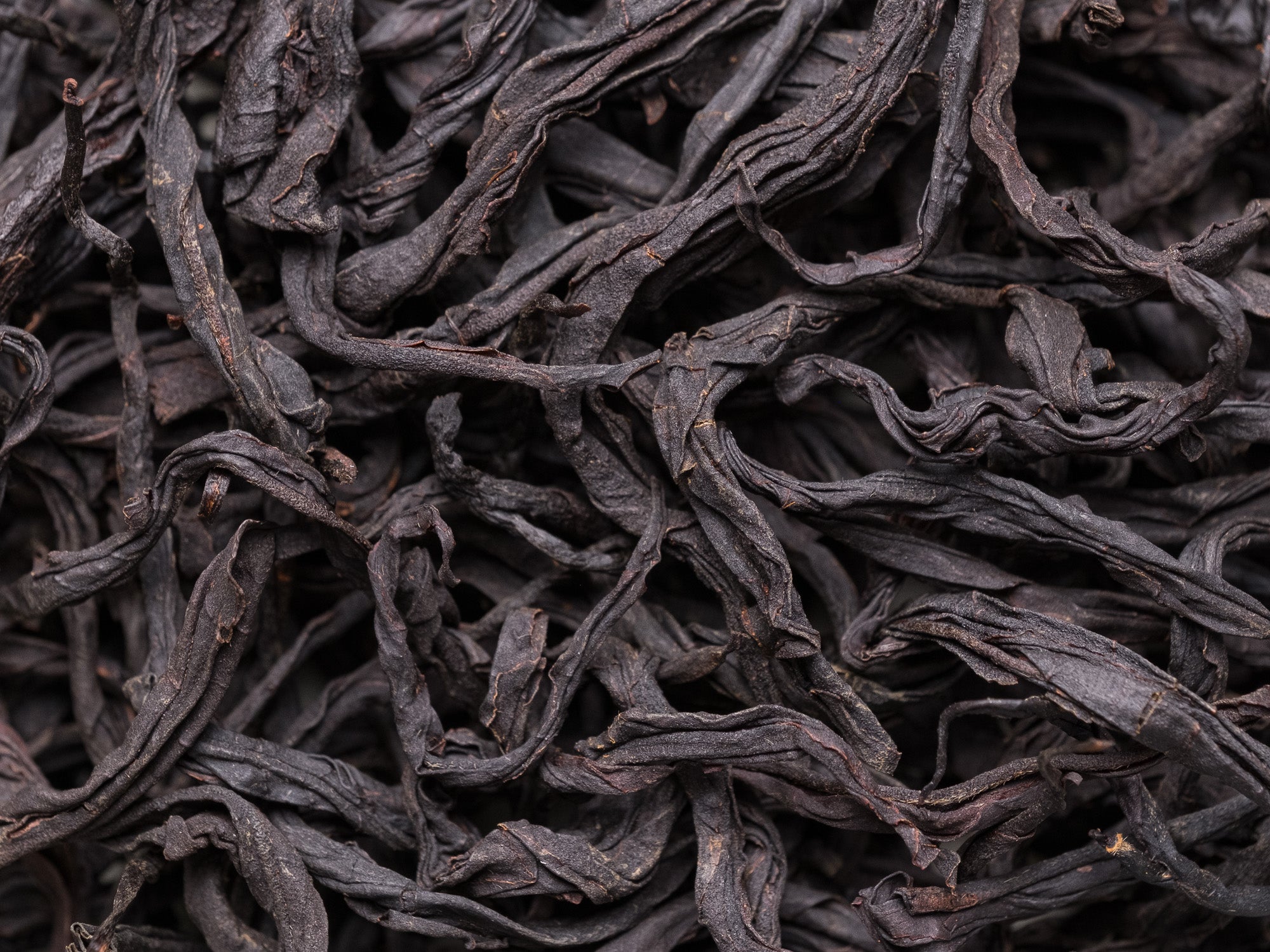
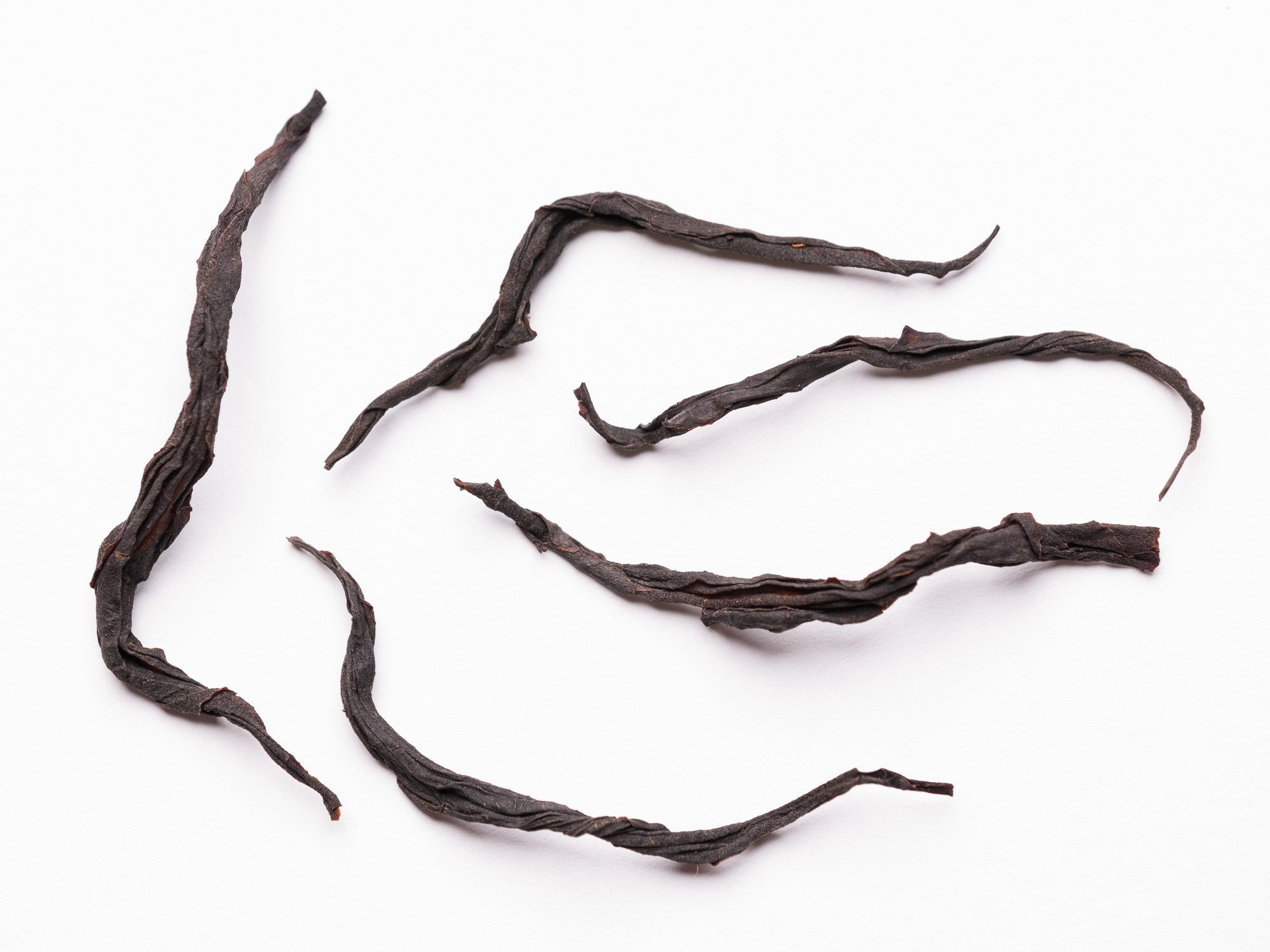
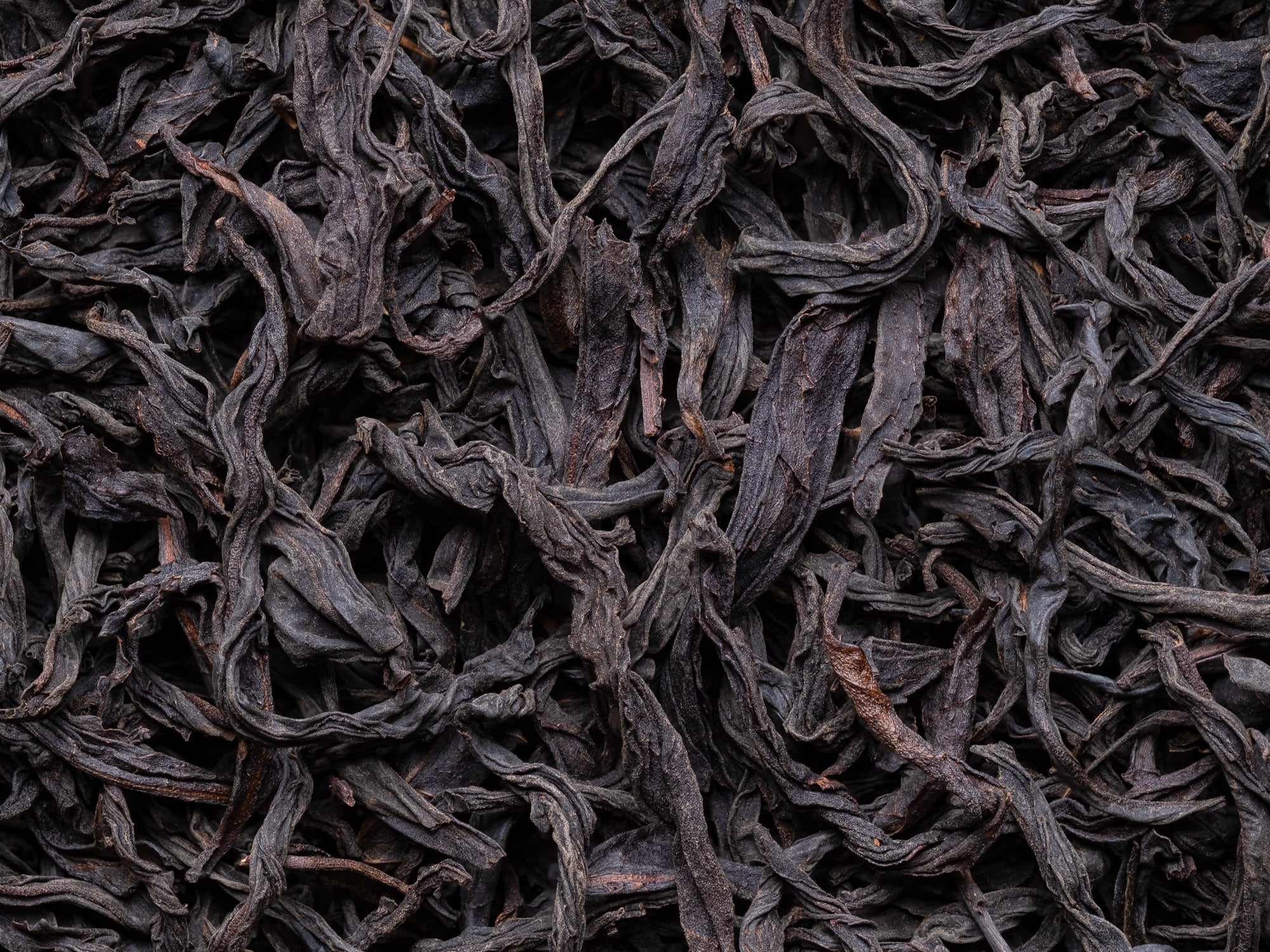
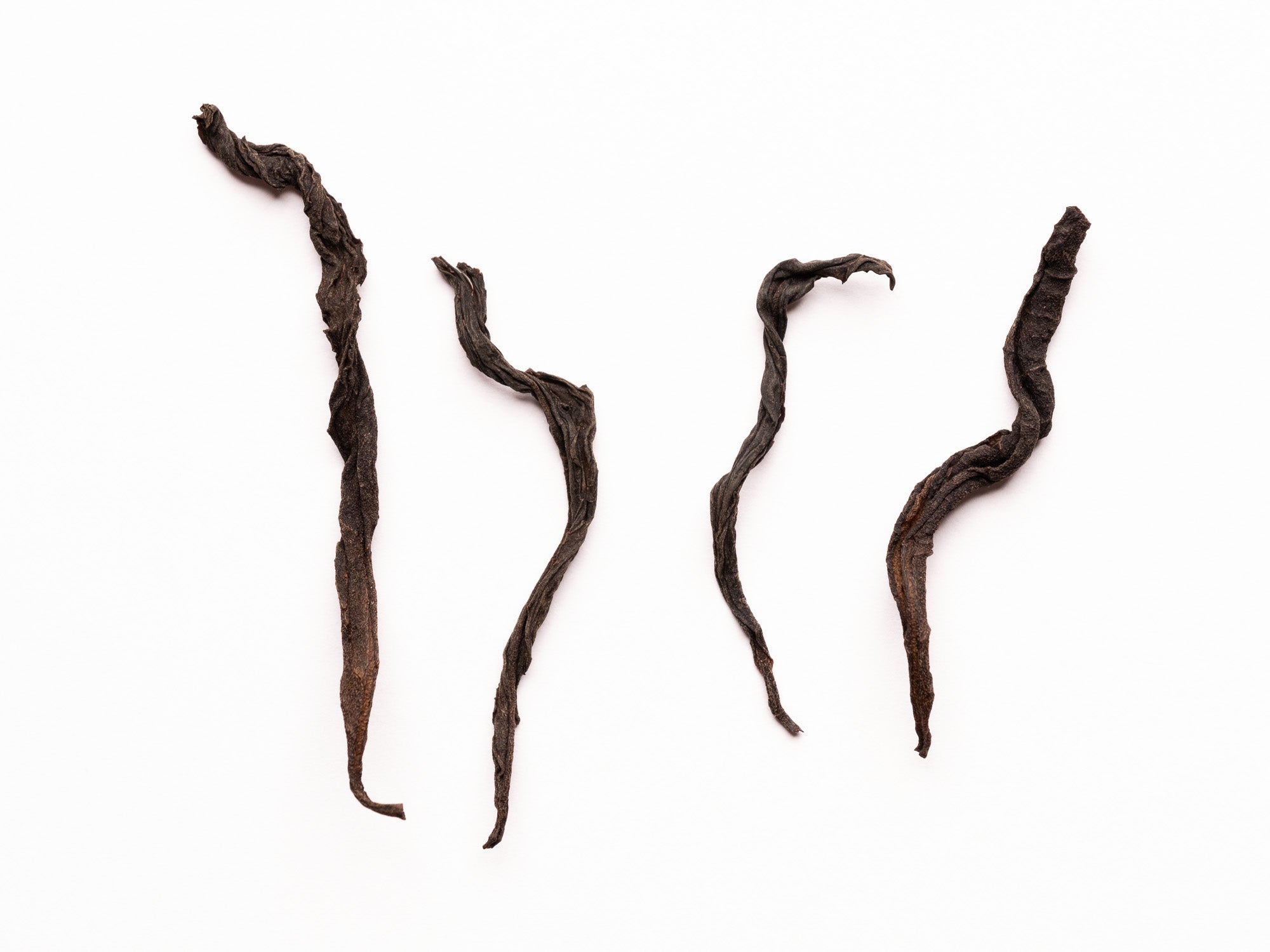
Your questions, answered
What are the most popular black tea varieties?
What are the most popular black tea varieties?
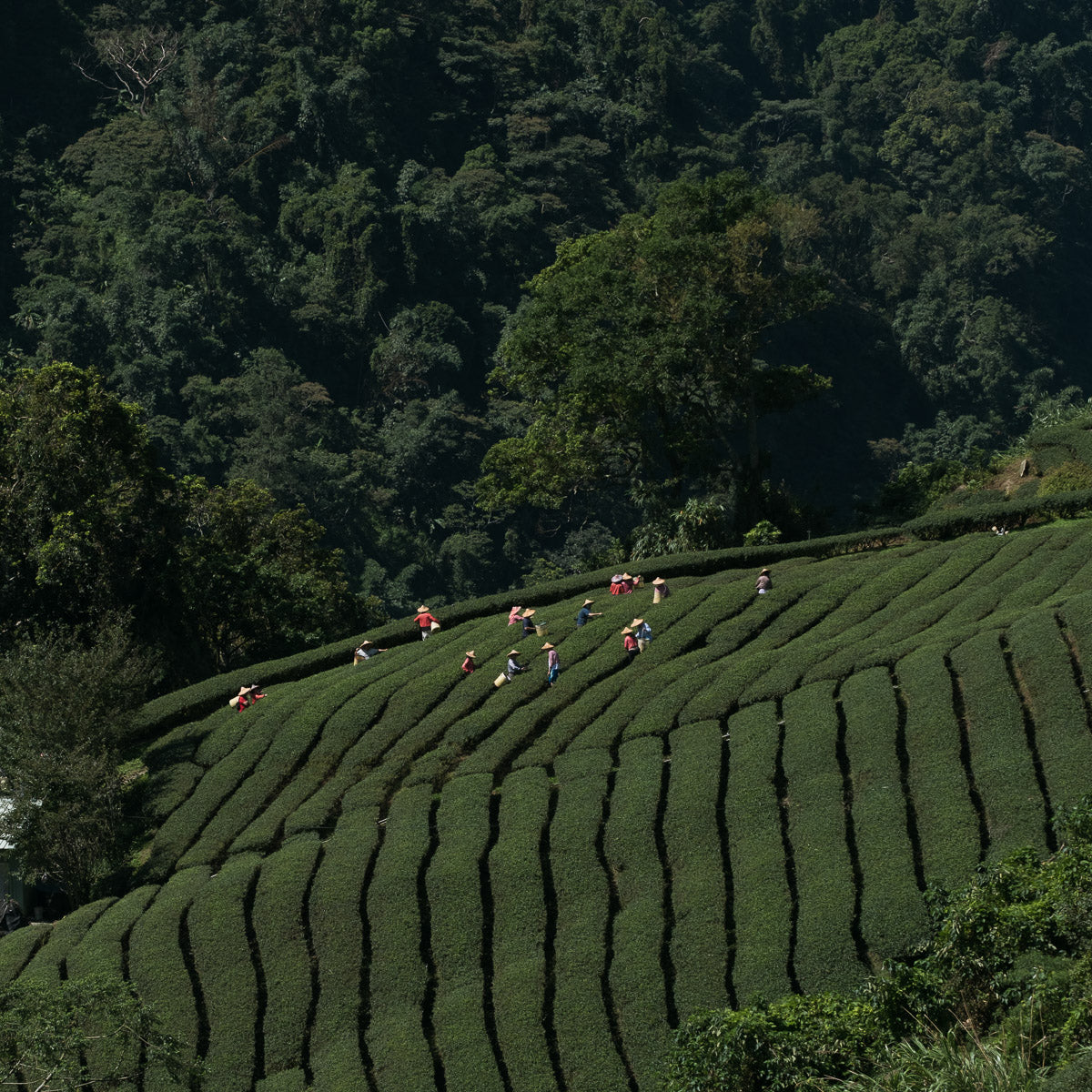
China, as the birthplace of tea, has produced some of the most iconic black teas. Lapsang Souchong (Zhengshan Xiaozhong), from Tongmu Pass in the Wuyi region, is regarded as the earliest known black tea and is famous for its distinctive pine-smoke drying technique.
Other celebrated Chinese black teas include Jin Jun Mei, a relatively recent high-end style made exclusively from young buds, Dianhong from Yunnan, and Keemun (Qimen) from Anhui.
From Taiwan, Ruby Black Tea (Ruby 18 cultivar) has earned international recognition for its expressive aromatics, which can resemble menthol and camphor, balanced with sweet spice.
What flavour profiles do different black teas offer, and how do I choose the right one?
What flavour profiles do different black teas offer, and how do I choose the right one?
Black tea, being fully oxidised, generally offers warm, sweet, woody, and earthy notes, though the profile can vary significantly depending on cultivar, terroir, and processing. Teas made from Camellia sinensis var. Assamica – such as Dianhong or our Gushu Shaihong Cha from Thailand – tend to show a robust profile with a dense body and smooth mouthfeel, accented by malty, cacao, and honey notes with an undertone of aromatic complexity.
By contrast, black teas made from Camellia sinensis var. Sinensis, such as those from Tongmu Guan, often show a lifted aromatic profile and refined structure, ranging from expressive, elegant floral notes to layered, ripe fruit.
These distinctions are general stylistic tendencies rather than fixed rules. In today’s tea industry, new cultivars continue to be developed to expand the spectrum of flavour expression. Taiwanese Ruby Black Tea, for instance, is recognised for its distinctive menthol-like aroma balanced by sweet spice, offering a delicate yet structured and elegant style.
When choosing a black tea, consider the flavour profile you are naturally drawn to. Our webshop provides detailed information on cultivar, origin, processing, and tasting notes to help you select the one that best suits your palate.
What should I consider when buying high-quality black tea?
What should I consider when buying high-quality black tea?
Evaluating the quality of black tea can be challenging based on appearance or limited information alone, but several clues, when combined, can help guide your choice. Start with the origin: while not a strict rule, choosing tea from its traditional growing region is a good starting point, since terroir and local expertise often influence its unique character.
Information about the tea plant is also important. Factors such as cultivar, age, and propagation method – whether the plant is wild-grown from seed or propagated – can significantly affect its flavour profile and often influence price.
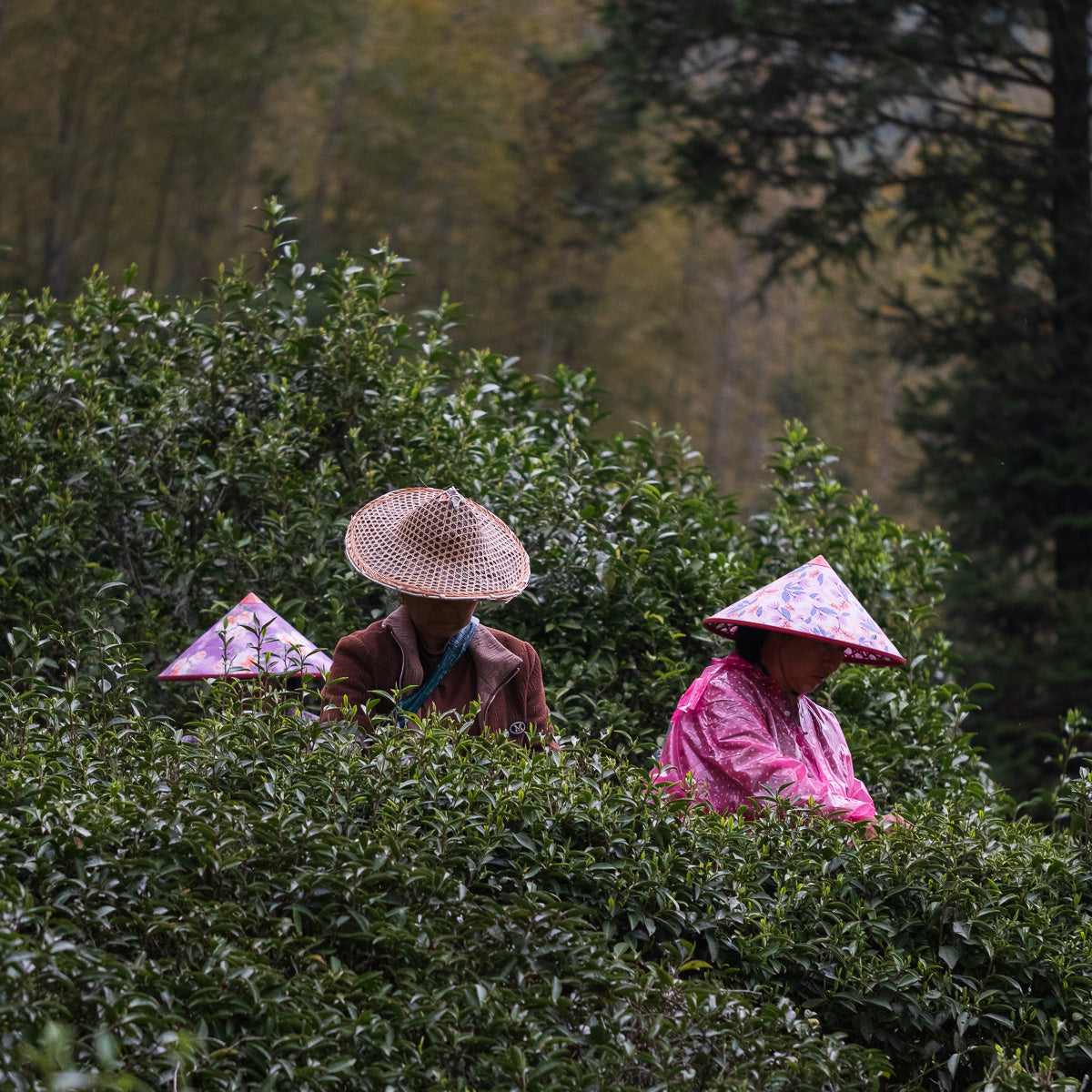
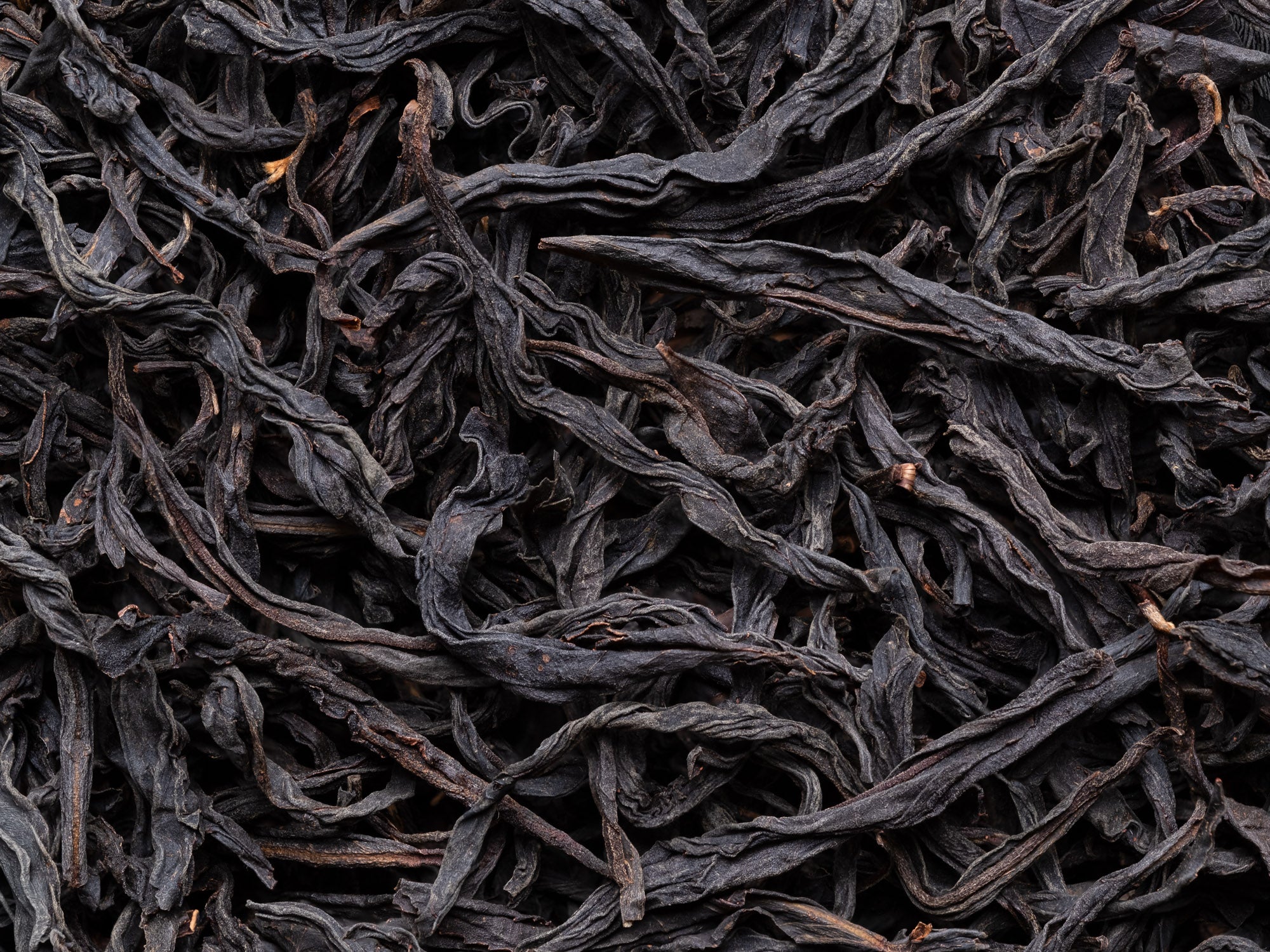
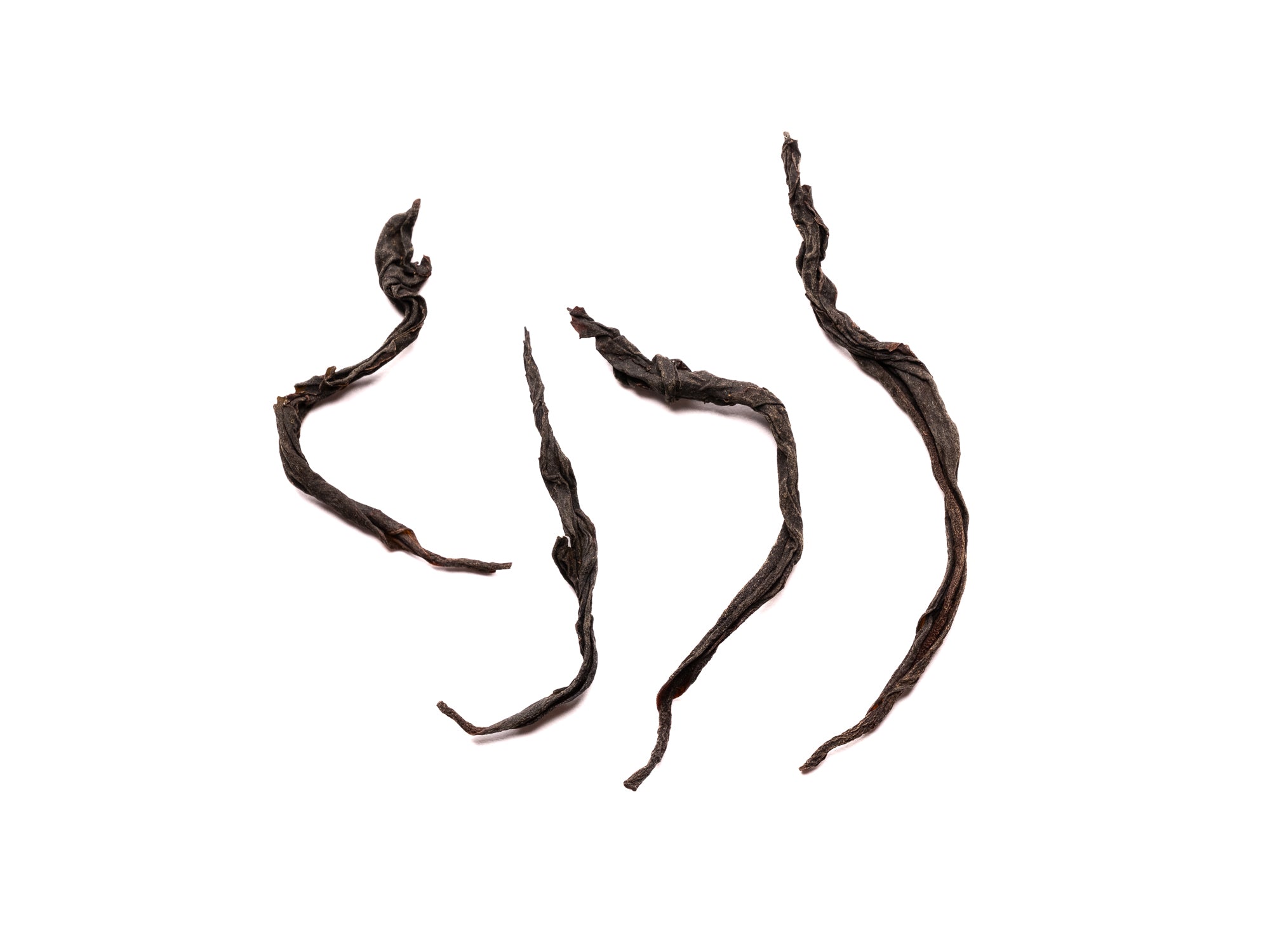
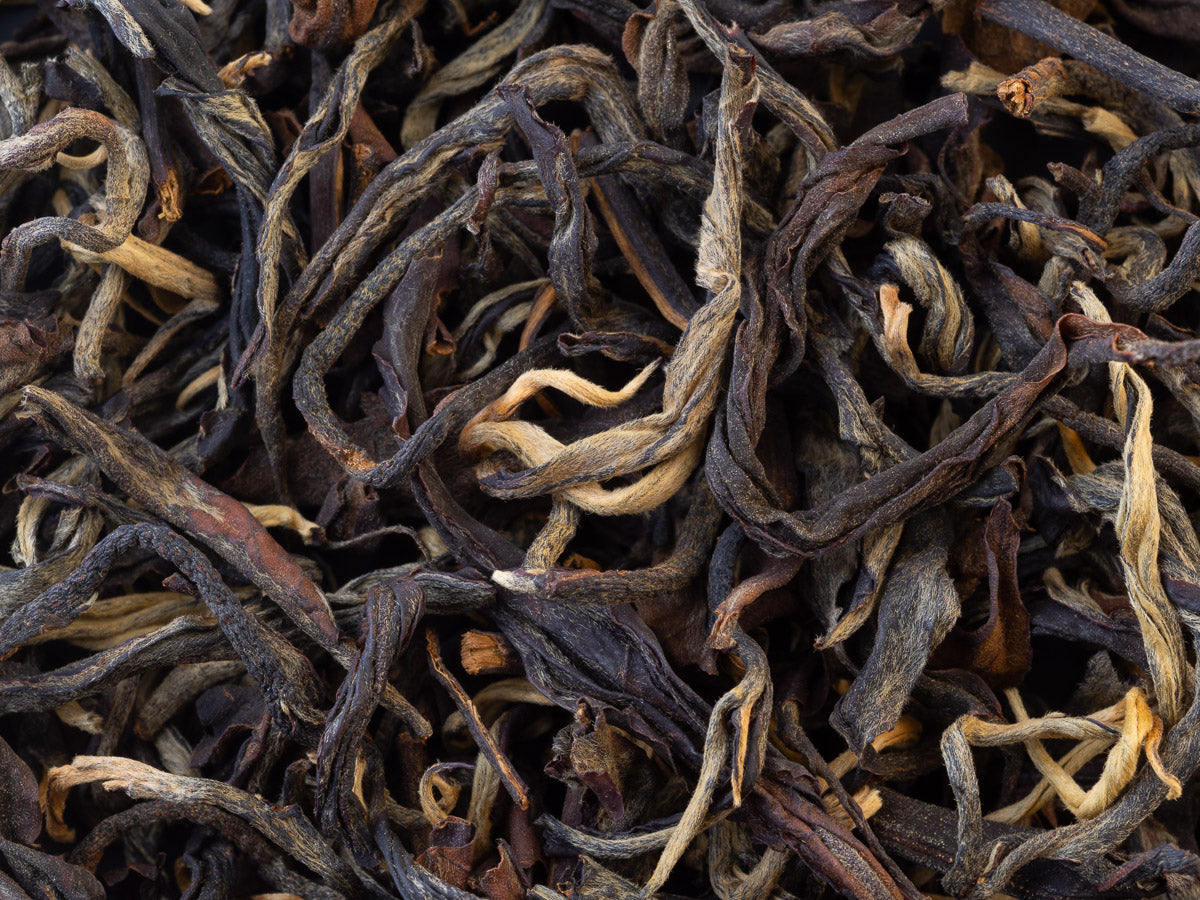
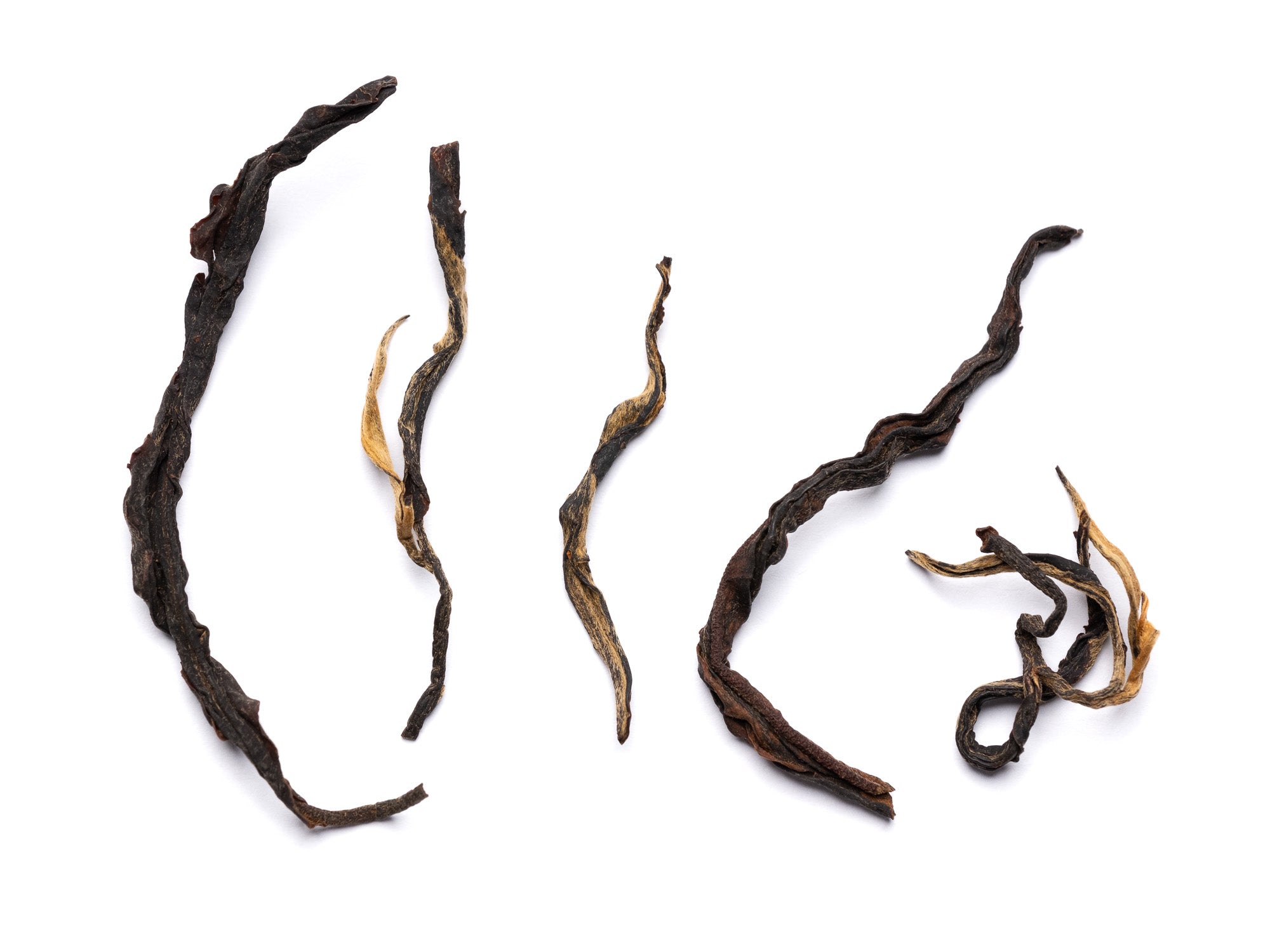
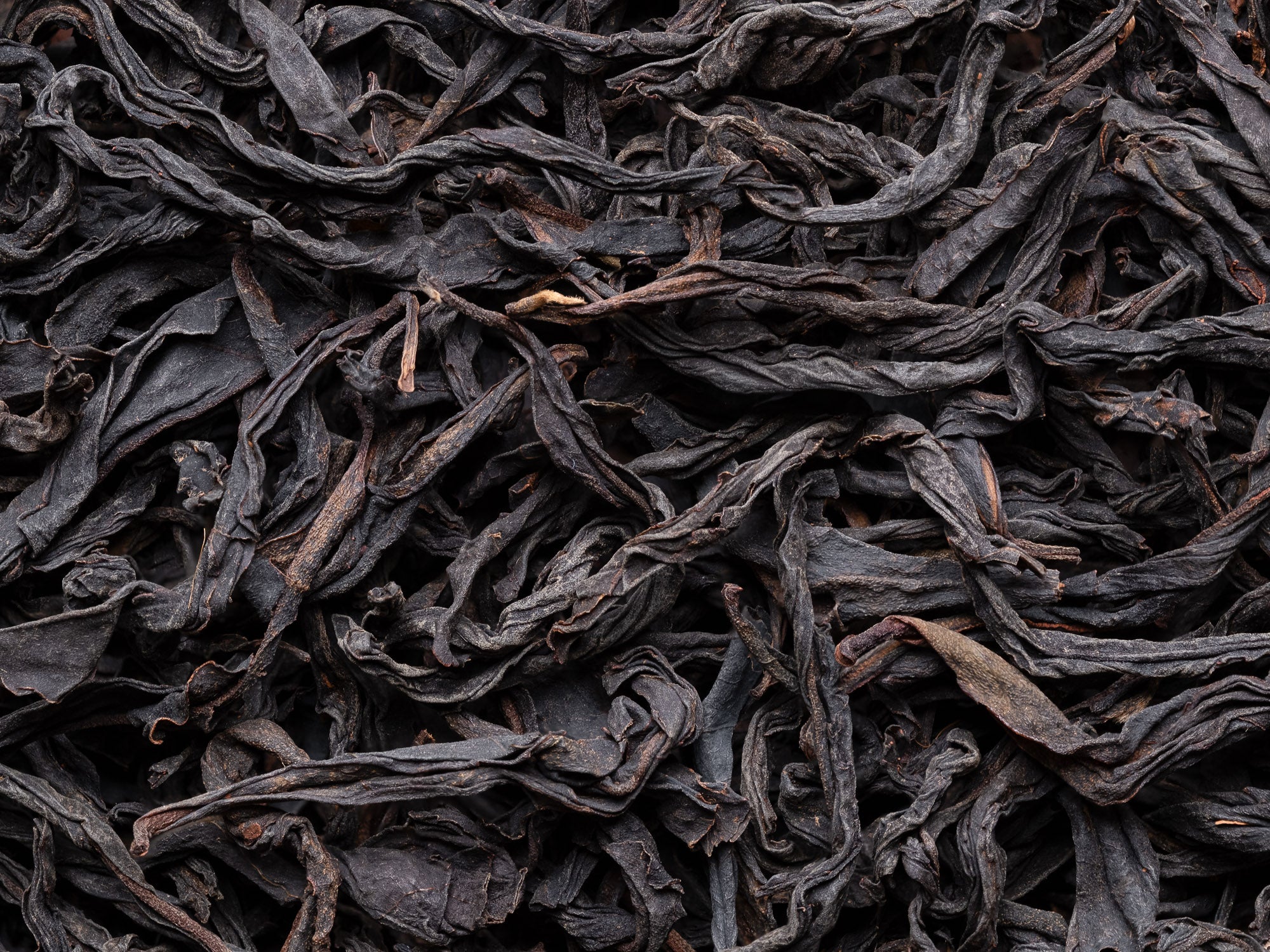
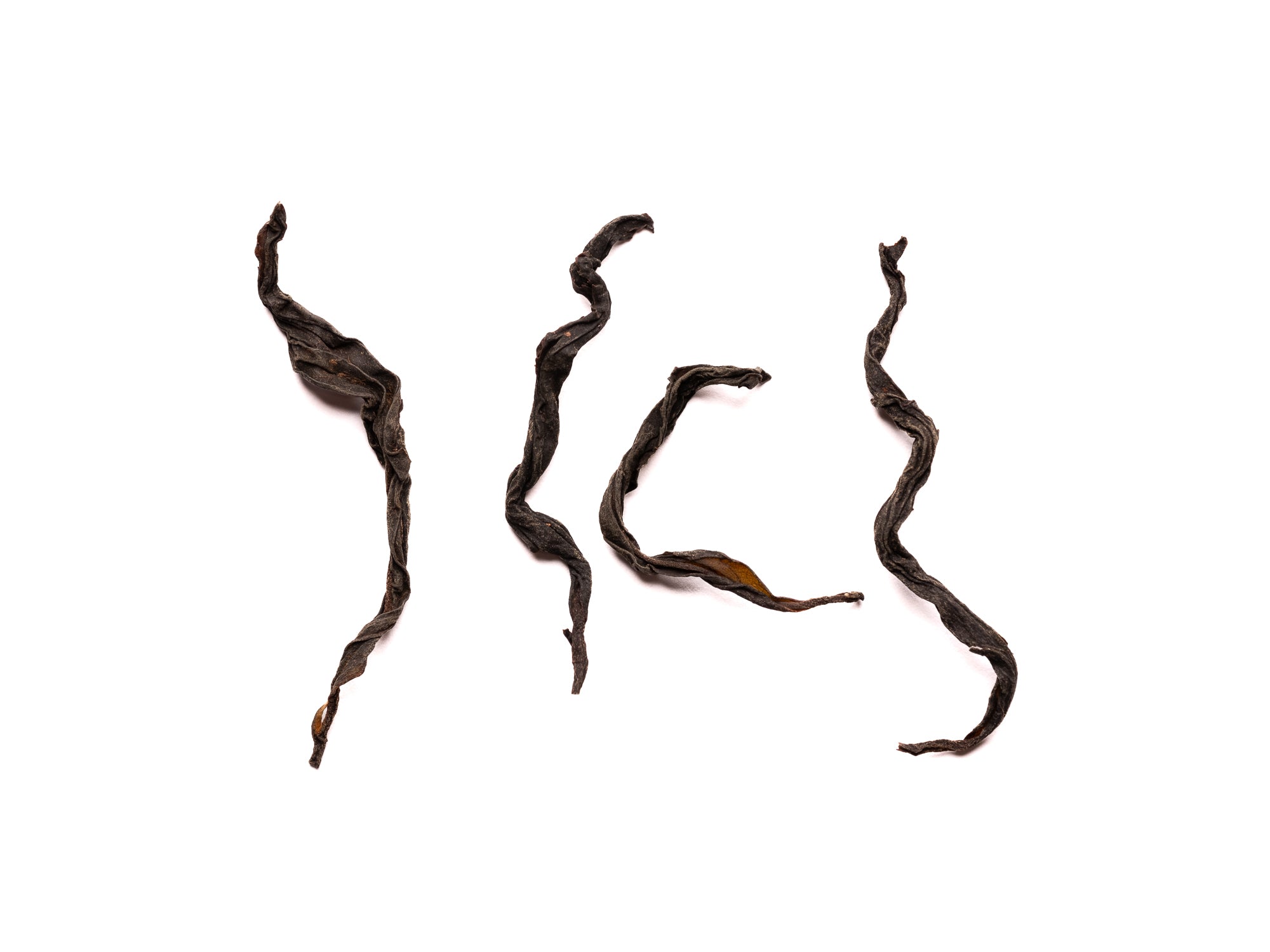
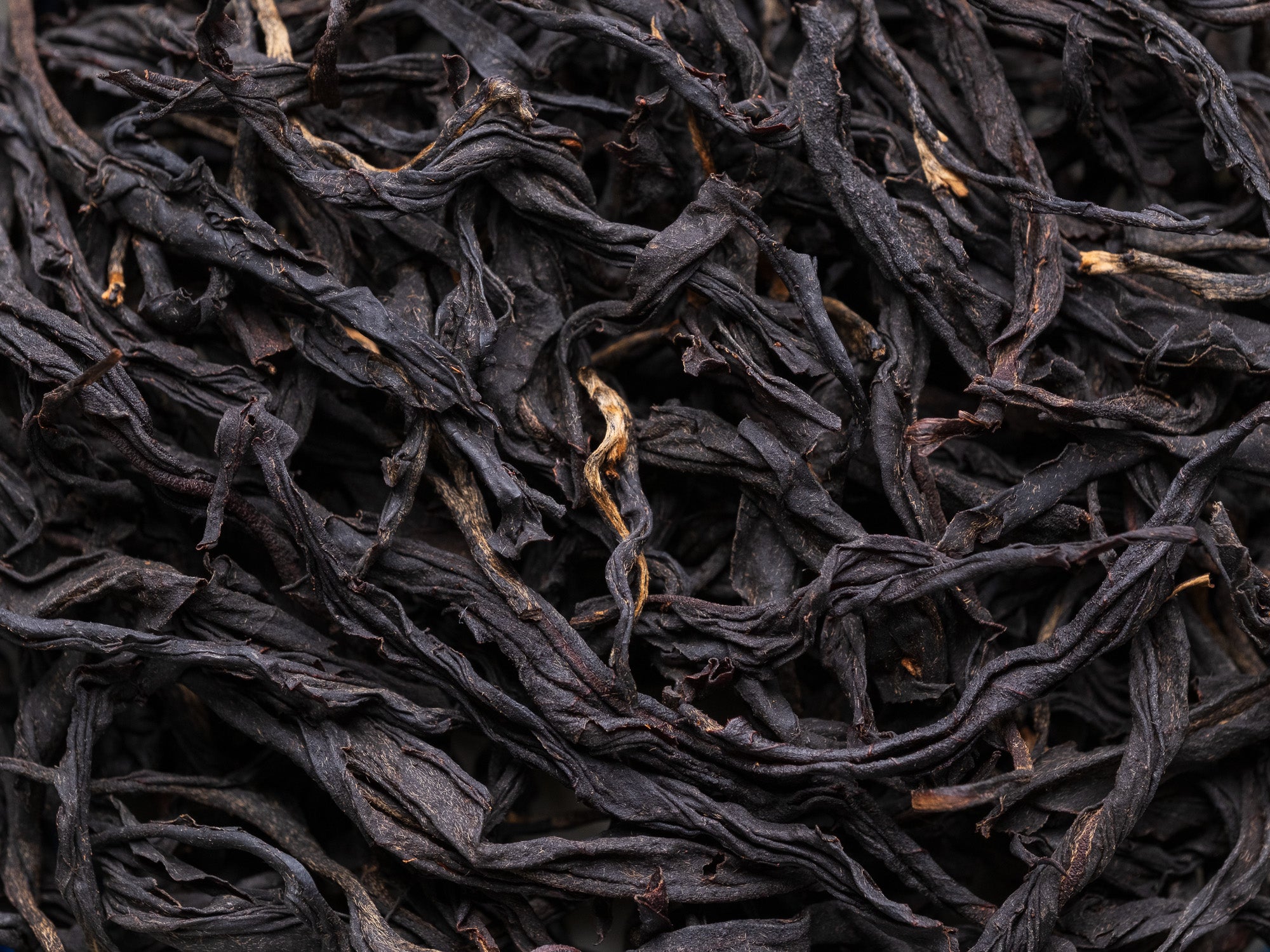
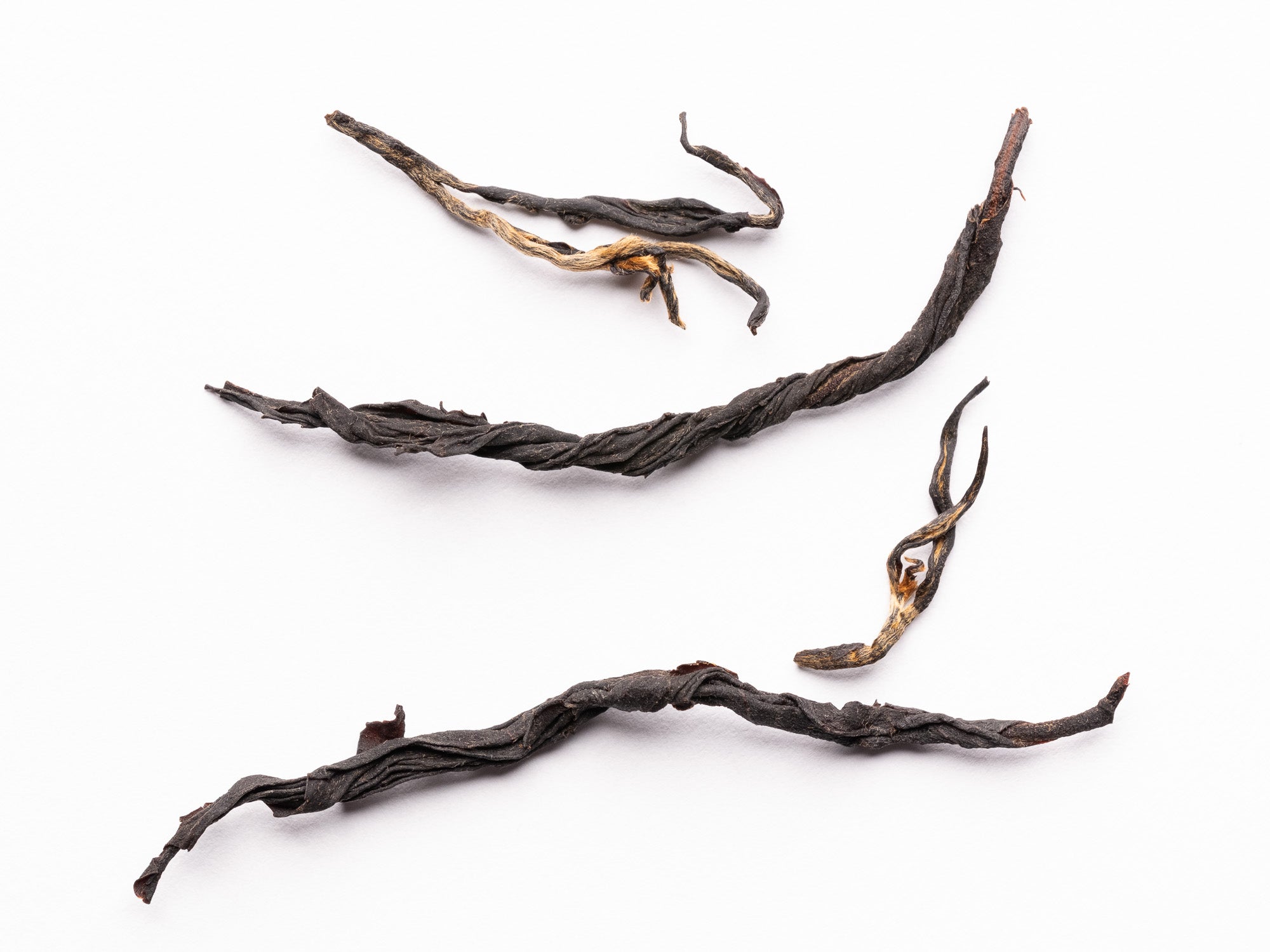
The harvest is another key indicator. If a tea plant is harvested multiple times throughout the year, the quality of later picks can be affected, as frequent harvesting may reduce the concentration of flavour and nutrients in the leaves. Finally, visual cues – including leaf appearance, uniformity, and colour – provide additional signals of the material’s quality and the care taken during processing.
At Tedelics, we take all of these factors into account when sourcing tea. By working directly with producers, we can assess quality on-site and ensure that each lot meets our standards. We also provide full information on each batch, including cultivar, origin, harvest details, and tasting notes, to ensure the highest quality in every tea we offer.
What is the best way to prepare black tea?
What is the best way to prepare black tea?
The best way to prepare black tea depends on the variety and style. Use water between 90 and 98°C. For Western style, use 1–1.5 g per 100 ml and steep for 2–3 minutes. For Gongfu, use 4–5 g per 100 ml and start with a 20–25 second steep. These recommendations are just a starting point. Feel free to experiment and discover the method you enjoy most. For more details, check the package information or the product page.
What are the benefits and properties of black tea?
What are the benefits and properties of black tea?
Black tea contains antioxidants that protect your body and skin. It helps the heart by lowering cholesterol and blood pressure. Its caffeine content provides energy and focus without jitters. It also improves digestion and helps manage stress.